
What is a boat gunwale? Care and maintenance tips
26 March 2026
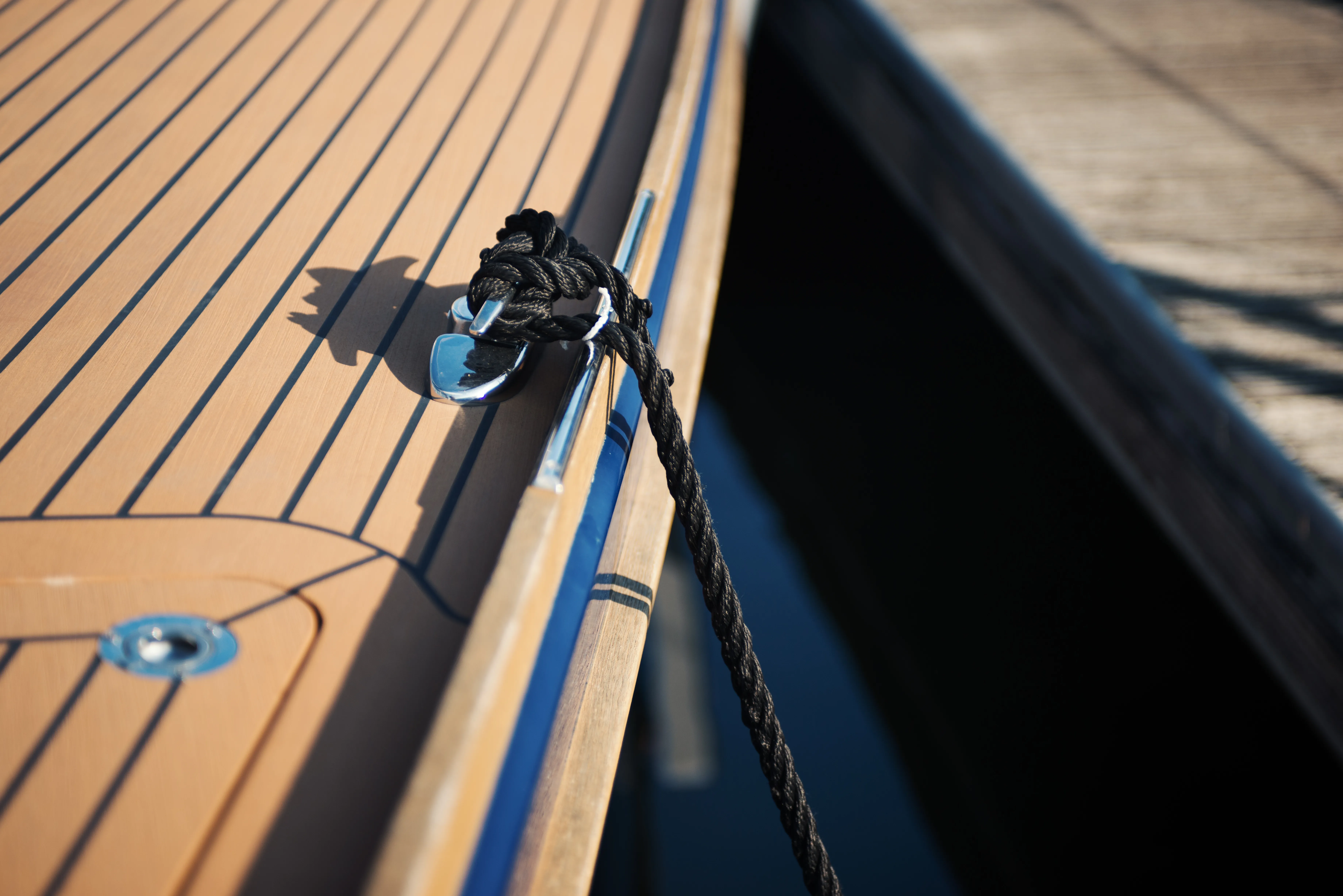
Running along the top edge of a boat’s sides, the gunwale plays an important part in strengthening the hull, protecting the vessel, and providing a place to mount equipment. Understanding the function of a boat gunwale and how to maintain it can extend your vessel's life and improve safety on the water.
In this guide, we’ll focus on what a boat gunwale is, its different functions and types of gunwales. We’ll also provide some practical care and maintenance tips to keep yours in great condition.
What is a boat gunwale?
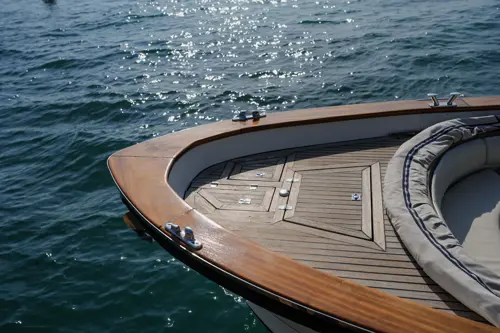
A boat gunwale, pronounced “gunnel”, runs around the top edge of a boat from the bow to the stern. It’s essentially a border where the hull meets the open top of the boat. And it plays an important role in providing strength, support and stability.
The word comes from the phrase “gun wale,” which referred to the reinforced areas where guns were mounted on historic warships, helping the ship's sides withstand the weight and force of the weapons. Over time, the spelling changed to gunwale, but it’s still pronounced “gunnel”.
On today’s boats, the gunwale is often where you’ll find handholds, fishing rod holders, cleats and protective rails. When you’re stepping onto a boat, leaning over the side to fish or holding on while moving around, you’re usually interacting with the gunwale, making it an important part of any vessel.
Different functions of a boat gunwale
Although it may simply look like the top border of a boat, a gunwale has a wide range of functions, including:
1. Structural reinforcement
The gunwale reinforces the upper edge of the hull, helping the boat maintain its shape. It distributes pressure from waves, weight and movement, preventing the hull from flexing or cracking.
2. Impact protection
Gunwales form a protective barrier, making them particularly useful when a boat contacts docks, other boats or obstacles. The reinforced edge absorbs and distributes impact forces, reducing hull damage.
3. Mounting point for equipment
Many boat accessories and fittings, such as rod holders, cleats and rails, are attached to the gunwale. Its reinforced structure makes it perfect for securing equipment.
4. Passenger support and safety
A boat gunwale provides a stable edge for passengers to hold onto when moving around the boat. It also acts as a boundary that reduces the risk of falling overboard.
5. Attachment for internal features
Seats and other internal boat features may be attached to or aligned with the gunwale. This helps to stabilise the boat’s interior structure.
6. Water deflection
Gunwales help redirect water away from the inside of the boat, especially when combined with spray rails or a flared hull.
7. Aesthetic
In addition to being functional, boat gunwales ensure a finished, clean aesthetic. Materials such as wood, aluminium, and moulded composites can enhance the boat’s appearance.
8. Tie-down and handling point
Boatowners often use the gunwale to tie ropes, secure gear or hold onto when lifting or carrying smaller boats like canoes and dinghies.
Types of gunwales
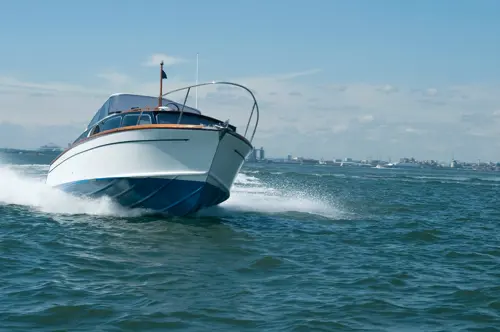
There are many types of boat gunwales, each with its own pros and cons. Five common types include:
1. Wooden gunwale
Wooden gunwales are a traditional option, often found on classic boats and canoes. They’re typically made from hardwoods, like ash or mahogany.
Pros
- Classic appearance
- Strong and flexible
- Easy to repair and refinish
Cons
- Require regular maintenance and sealing
- Can rot or warp if not cared for properly
- Heavier than some modern materials
2. Aluminium gunwale
Aluminium gunwales are often used on modern fishing boats and are a popular option due to their durability and low maintenance.
Pros
- Strong and resistant to corrosion
- Low maintenance
- Lightweight
Cons
- Can feel cold or hard
- May dent under heavy impact
- Industrial look may not complement all boats
3. Fibreglass or composite gunwale
Fibreglass and composite gunwales are commonly found on modern recreational and performance boats. They’re often moulded into the hull or deck structure.
Pros
- Smooth, clean finish
- Resistant to rot and corrosion
- Can be shaped into aerodynamic designs
Cons
- Repairs can be complicated
- Cracks may form from strong impacts
- Expensive to make
4. Vinyl-covered gunwale
Vinyl-covered gunwales have a protective vinyl covering over a structural core, often made from aluminium or wood. This type of gunwale is found on many small boats.
Pros
- Comfortable to lean on
- Protects the underlying structure
- Helps prevent scratches and scuffs
Cons
- Can crack or fade over time
- May trap moisture if damaged
- Less rigid than exposed structural materials
5. Gunwale with built-in accessories
Some modern boats have gunwales with built-in accessories, such as fishing rod holders, cup holders, storage compartments, and rails.
Pros
- Convenient for fishing and recreational boating
- Saves space on the deck
- Keeps equipment organised and easily accessible
Cons
- Expensive
- Repairs and replacements can be tricky
- Built-in features may restrict customisation in the future
Care and maintenance tips for boat gunwales

The following will help keep your gunwale in tip-top condition:
- Clean gunwales regularly – Salt, dirt, and debris can build up along the gunwale edge. Washing them regularly with mild soap and fresh water helps to prevent corrosion, staining and long-term damage.
- Inspect for cracks or damage – Check your boat’s gunwale frequently for cracks, loose parts and dents. Finding damage early means small issues can be repaired before they become big problems.
- Apply protective coatings – Wooden gunwales benefit from varnish or marine-safe oil, while you can protect metal or fibreglass gunwales with sealants or wax to reduce wear and damage.
- Tighten loose hardware – Ensure screws and bolts remain tight for any accessories you’ve attached to your boat gunwale. This will lower the risk of structural strain or equipment loss.
- Prevent corrosion on metal gunwales – If your boat has aluminium or steel gunwales, rinse them with fresh water after exposure to saltwater to help prevent rust and corrosion.
- Repair scratches – Small scratches can expose underlying materials to moisture, which can cause deterioration. Sand and refinish any damage to maintain the gunwale’s protective surface.
- Avoid excessive weight – Standing or placing heavy items directly on the gunwale can cause bending or stress, so be sure to distribute weight evenly throughout the boat whenever possible.
- Protect during docking – Install bumpers or fenders to minimise direct contact between the gunwale and docks. This reduces the risk of dents, scuffs and other damage.
- Cover your boat – When not in use, keep your boat covered or store it indoors. This protects the gunwales from sunlight, rain, and temperature changes that can negatively impact certain materials.
- Use suitable cleaning products – Avoid strong chemicals and harsh cleaners when cleaning gunwales and opt for marine-safe solutions that protect finishes and prevent deterioration.
What’s the difference between a gunwale and a bulwark?
Although the terms gunwale and bulwark both refer to parts found on the upper edge of a boat, they play different roles. The gunwale is the structural rim of the hull itself, while the bulwark is an added structure that rises above the deck for safety and protection.
Essentially, a gunwale forms the top edge of the boat, and a bulwark creates a protective barrier above that edge.
Specialist boat insurance through GJW Direct
Before your next trip out on the water, you may want to consider getting specialist boat insurance through GJW Direct to help financially protect you and your boat. Get a quick online quote today.
Please note the information provided on this page should not be taken as advice and has been written as a matter of opinion. For more on insurance cover and policy wording, see our homepage.
Got a question? Call our UK call centre 0151 473 8000
GJWDirect is a
 Insurance Services product


©Copyright Ripe Thinking Limited 2026. GJWDirect® is a registered trademark and a trading name of Ripe Insurance Services Limited which is Authorised and Regulated by the Financial Conduct Authority No.313411.
Registered office: One Stockport Exchange, Railway Road, Stockport, United Kingdom, SK1 3SW. Registered in England No. 04507332.