
Boat Safety Certificates: Costs and beginner’s guide
29 January 2026
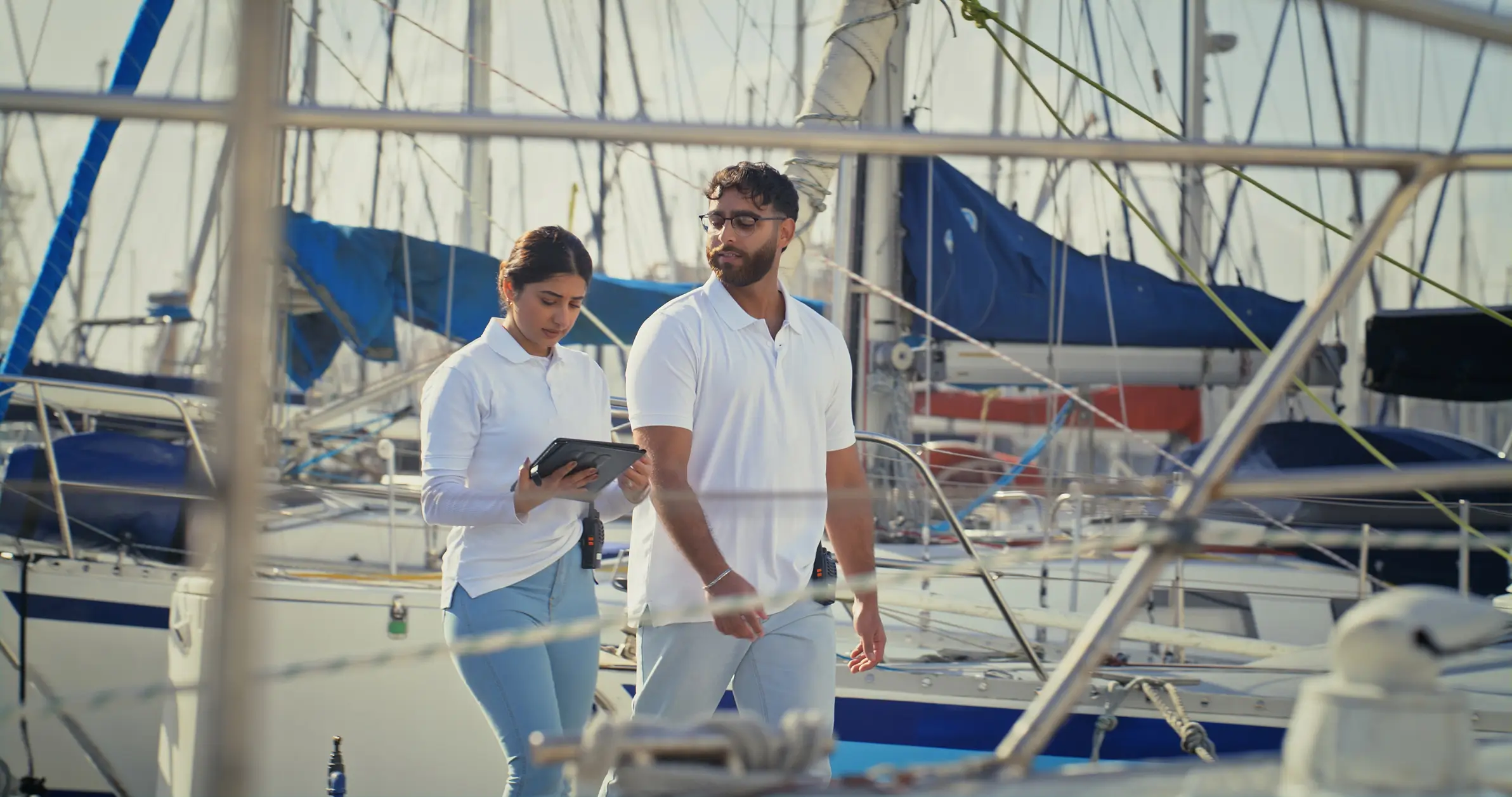
Whether you’re a new boatowner or have been boating for years, a Boat Safety Certificate is an important document – one that’s often required to obtain a navigation licence or boat insurance. It also provides reassurance to boat owners, waterways authorities, and other water users.
In this beginner’s guide, we explore what getting a Boat Safety Certificate involves, why it’s required, how much it costs, and how it helps to protect people and property on the water.
What is a Boat Safety Certificate?
A Boat Safety Certificate is an official document that confirms a boat meets essential safety standards required for inland waterways as laid out by the Boat Safety Scheme (BSS). It shows that safety systems on board have been checked and found to be safe for use, helping to reduce the risk of fire, explosion, carbon monoxide leaks, and other potential hazards.
The certificate is issued after an inspection carried out by an authorised BSS examiner, who assesses a boat’s fuel systems, gas installations, electrical equipment, ventilation, and fire safety provisions. This inspection doesn’t assess the overall condition or seaworthiness of your boat but focuses specifically on safety elements. Think of it like an MOT for boats.
Most privately-owned boats, including residential and leisure vessels, and many hire craft need a valid Boat Safety Certificate in order to get a navigation licence or boat insurance. The certificate is valid for four years and gives boatowners the confidence that their vessel meets Boat Safety Scheme-recognised safety requirements for inland use.
What’s covered in a BSS inspection?
A Boat Safety Scheme inspection is a safety check that confirms a boat meets the minimum safety standards required to use the UK’s inland waterways. The point of the inspection is to reduce common risks rather than to assess the boat’s overall condition or performance.
During a BSS inspection, the examiner checks fuel systems to ensure there are no leaks, damaged pipes, or insecure connections that could lead to a fire or an explosion. Gas installations are examined carefully, including cylinders, regulators, pipework, and appliance shut-off valves. The inspector will also validate that gas installations have the correct ventilation and are stored safely.
The BSS inspection covers electrical systems too, and the examiner will look for signs of overheating, poor wiring, or insecure batteries that could become fire hazards. Ventilation is checked to ensure there’s sufficient airflow, helping to prevent the build-up of dangerous gases, like carbon monoxide.
Fire safety equipment is another important area. BSS examiners check that appropriate fire extinguishers are fitted, accessible, and suitable for the type and size of the vessel. Engine and exhaust systems are also inspected to check exhaust gases are safely discharged and that surrounding materials are protected from heat.
The examiner will also check general safety features, such as emergency escape routes, signage where required, and the secure installation of appliances. If all safety requirements are met, you’ll receive a Boat Safety Certificate that remains valid for four years.
Why should boatowners get a Boat Safety Certificate?
As a boatowner, you should get a Boat Safety Certificate as it helps to determine that your vessel is safe, compliant, and insurable on inland waterways. A valid Boat Safety Certificate is often a legal requirement to apply for or renew a navigation licence from waterways authorities such as the Canal & River Trust. Without one, your boat may not be permitted on certain waterways.
Safety is another key reason to get a Boat Safety Certificate. The BSS inspection focuses on high-risk areas, such as fuel systems, gas installations, electrics, ventilation, and fire safety. It also identifies potential issues early and reduces the risk of fire, explosion, or carbon monoxide leaks. This protects both you as the boatowner and other water users.
Some insurers will ask to see a Boat Safety Certificate before covering a vessel, as this helps them to confirm that a boat meets recognised safety standards. For buyers and sellers, the certificate gives confidence that the vessel has been independently checked for safety concerns, which can lead to quicker sales and protect resale value.
Finally, the certification process encourages regular maintenance and checking of onboard safety systems. Even for experienced boatowners, it offers peace of mind – as it shows that your boat meets BSS safety requirements and is fit for use on inland waterways.
The benefits of a Boat Safety Certificate
There are many benefits to having a Boat Safety Certificate, but we've highlighted the main ones for you:
- confirms your boat meets BSS-recognised inland waterway safety standards
- helps reduce the risk of fire, explosion, and carbon monoxide poisoning
- required to apply for or renew a navigation licence
- can be a condition of boat insurance cover
- provides reassurance that a boat’s safety systems are compliant
- identifies potential safety issues before they become serious problems
- supports smoother boat sales by boosting buyer confidence
- encourages regular maintenance and responsible boat ownership
- helps protect other boats and marina facilities
- offers peace of mind for owners, passengers, and authorities
How much does a Boat Safety Certificate cost?
The cost of the examination required to get a Boat Safety Certificate varies, as examiners set their own prices rather than fees being fixed by the scheme. Other factors that can impact the cost of a Boat Safety Certificate include the size of the boat, the systems it has (whether gas or electric), your location, and how far the examiner needs to travel.
Some examiners advertise prices from around £200 for simple vessels, while others quote around £400 for more complex boats. As prices can vary widely by region and boat type, it’s worth getting quotes from a few different local BSS examiners before booking. You may also find that an examiner offers you a discount if you’ve used them before. You can find examiners on the Boat Safety Scheme website.
When finalising a quote, be sure to ask whether it includes admin fees, travel, and the cost of the Boat Safety Certificate itself, should your boat pass the inspection. Many examiners provide an all-inclusive price, but it’s always worth checking before agreeing on a cost that might then increase.
Specialist boat insurance through GJW Direct
As well as a Boat Safety Certificate you may also consider specialist boat insurance though GJW Direct for your vessel. Get a quick online quote today.
Please note the information provided on this page should not be taken as advice and has been written as a matter of opinion. For more on insurance cover and policy wording, see our homepage.
Got a question? Call our UK call centre 0151 473 8000
GJWDirect is a
 Insurance Services product


©Copyright Ripe Thinking Limited 2026. GJWDirect® is a registered trademark and a trading name of Ripe Insurance Services Limited which is Authorised and Regulated by the Financial Conduct Authority No.313411.
Registered office: One Stockport Exchange, Railway Road, Stockport, United Kingdom, SK1 3SW. Registered in England No. 04507332.