
The history of yachts
04 March 2026
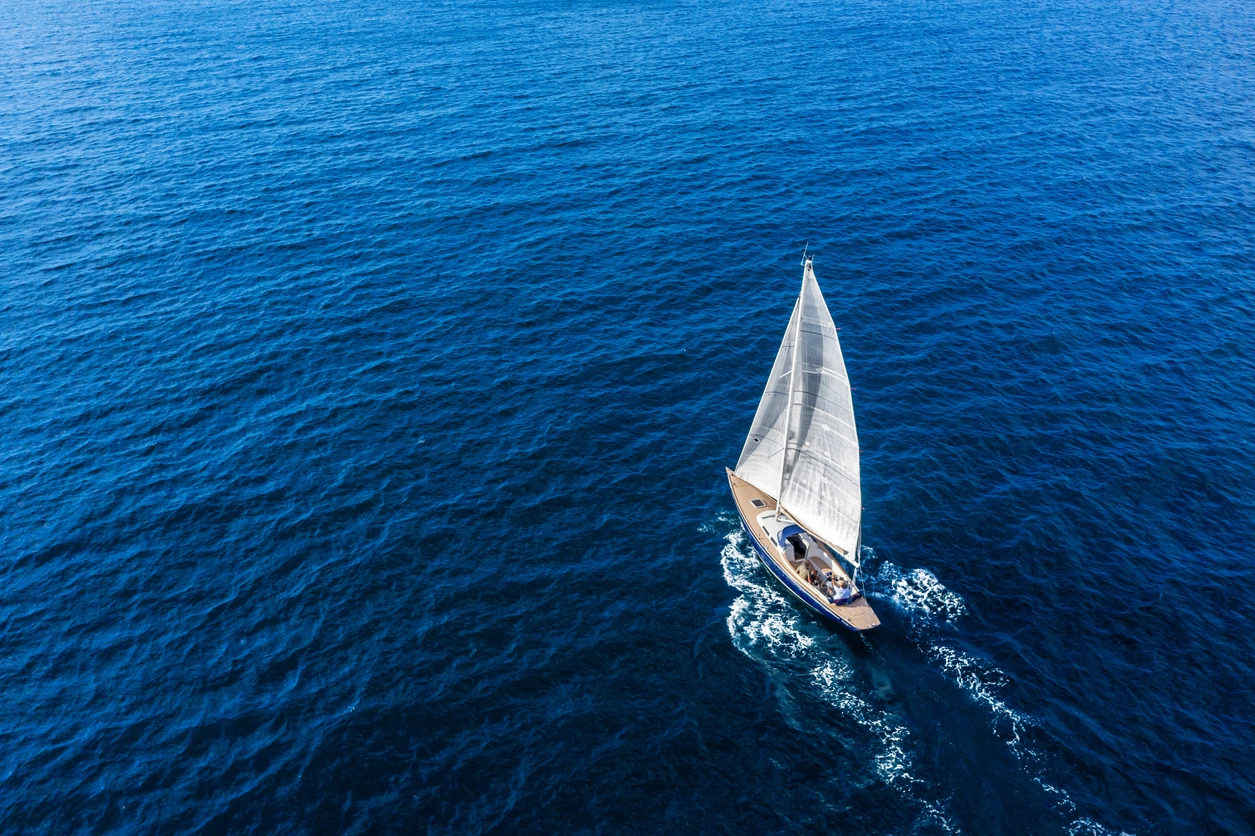
The history of yachts tells stories of innovation, status, speed and craftsmanship. From quick working boats in Northern Europe to luxurious vessels cruising the Mediterranean, the origin of the yacht can be traced back through the centuries. Understanding where yachts came from shows how they evolved from practical boats into symbols of status.
In this guide, we explore the history of the yacht, its linguistic roots, its transformation through royal patronage, and how technology has helped to build the impressive yachts we see today.
The origin of the word “yacht”
The word “yacht” comes from the Dutch word “jacht” which means “hunt” or “chase”. In the 16th and 17th centuries, the Dutch built light, fast vessels designed to chase pirates and smugglers in the shallow waters. These boats weren’t created for leisure. They were working ships built for speed and agility.
The origin of yachts began with a need for practicality. Dutch maritime power meant shipbuilding innovation grew, and the streamlined, manoeuvrable design of early yachts reflected the Netherlands’ need to protect its trade routes.
Over time, these vessels were noticed by European royalty who found a new purpose for this style of boat.
How yachts became symbols of status
The transformation of yachts from working boats to luxury vessels began in the 17th century. In 1660, after spending time in exile in the Netherlands, Charles II returned to England and brought the idea of the Dutch “jacht” with him.
Charles II commissioned several yachts for personal use – this was an important milestone in the history of the yacht. Rather than being patrol vessels, these boats were used for pleasure trips and competitive sailing along the River Thames, quickly making yachts fashionable.
Yachting soon became linked with wealth, prestige and recreation rather than pursuit and patrol. What began as a Dutch functional craft was now used by the English aristocracy for leisure purposes.
Yacht racing and yacht clubs
As yachts grew in popularity among the wealthy, competition followed with informal races between royal vessels in England which helped to establish sailing as a sport.
One of the oldest, most prestigious yacht clubs in the world, the Royal Yacht Squadron, was founded in 1815. Based in Cowes on the Isle of Wight, it played an important role in formalising yacht racing and establishing rules.
The yacht origin story expanded further in 1851 with the launch of the schooner America, which won a race around the Isle of Wight. That competition evolved into the world-famous America's Cup, the oldest international sporting trophy.
Organised racing came with impressive design improvements, and hull shapes, sail plans and materials were constantly updated to improve speed and stability. For these yachts, performance was as important as luxury.
Industrial innovation and steam yachts
The 19th-century Industrial Revolution influenced yacht development considerably. Steam yachts began appearing in the mid-1800s, allowing owners to travel without relying solely on wind conditions. These vessels were large, comfortable and increasingly extravagant, and the wealthy used steam yachts to show off their success.
Yachts continued to evolve as they moved from sail-powered elegance to mechanised luxury. Interiors became more extravagant, featuring fine wood panelling, private dining rooms and dedicated crew quarters.
This marked the beginning of modern, elegant yachts.
The introduction of motor yachts
By the early 20th century, internal combustion engines replaced steam power, and motor yachts became faster, more reliable and easier to operate.
Advances in materials, such as steel, aluminium and fibreglass, changed construction methods. Production also became more efficient, making yacht ownership achievable for business leaders and entrepreneurs.
By this time, yachts were no longer seen as pursuit vessels but as recreational crafts. Mediterranean cruising became increasingly popular after World War II, with destinations like Monaco sitting at the centre of yachting culture. Prestigious events like the Monaco Yacht Show reinforced yachts as symbols of luxury.
Superyachts and mega yachts
In the late 20th and early 21st centuries, yacht design began to focus on scale and further extravagance. Superyachts (typically measuring over 24m) and mega yachts (which often exceed 70m) pushed the boundaries of architecture and naval engineering.
Modern yachts can now feature:
- Helipads
- Swimming pools
- Onboard cinemas
- Submarines
The origin of the yacht may have been modest, but modern vessels boast advanced stabilisation systems, hybrid propulsion, and smart automation systems. Today, cruising is smoother and more efficient than ever before.
Shipyards in Italy, Germany, and the Netherlands lead global production, combining centuries of maritime heritage with modern innovation.
Sailing yachts vs motor yachts
Although modern yachts vary widely in size and design, they all share a common origin rooted in performance and agility.
Sailing yachts maintain a connection to traditional seamanship by prioritising wind power, balance and racing heritage. Competitive sailing events still drive innovation in lightweight materials and aerodynamic design. Motor yachts focus on comfort, range and onboard luxury. They dominate the superyacht sector and are often custom built to suit owner requirements.
Despite their differences, both types of yacht reflect the historical evolution of the original Dutch “jacht”.
The future of yachts
Today, the yacht industry is facing new challenges as environmental responsibility and sustainability are becoming increasingly important in yacht innovation.
Hybrid propulsion systems, solar integration, advanced hull efficiency, and alternative fuels are shaping the next chapter in yacht development, with designers working to reduce emissions while maintaining high levels of luxury and performance.
Electric yachts and hydrogen-powered concepts are already being tested, which suggests a shift in how yachts will operate in the future. The origin of the yacht may sit in 17th-century pursuit vessels, but the future of yachting is focused on sustainability, efficiency and responsible ownership.
The yacht origin story is one of transformation. What began as a fast Dutch working boat evolved through royal influence, competitive racing, industrial innovation, and modern luxury into a symbol of leisure and status.
From the days of Charles II to the harbours of Monaco, yachts have adapted to cultural, technological and economic changes. Today’s yachts may be larger and more luxurious than ever, but their origin will always be based on speed, craftsmanship and adventure.
Specialist boat insurance through GJW Direct
Now that you know all about the history of yachts and their fascinating origin, you might want to consider specialist yacht insurance through GJW to help you travel with confidence. Get an instant online quote today.
Please note the information provided on this page should not be taken as advice and has been written as a matter of opinion. For more on insurance cover and policy wording, see our homepage.
Got a question? Call our UK call centre 0151 473 8000
GJWDirect is a
 Insurance Services product


©Copyright Ripe Thinking Limited 2026. GJWDirect® is a registered trademark and a trading name of Ripe Insurance Services Limited which is Authorised and Regulated by the Financial Conduct Authority No.313411.
Registered office: One Stockport Exchange, Railway Road, Stockport, United Kingdom, SK1 3SW. Registered in England No. 04507332.