
What is a boat transom? Maintenance and installation tips
09 December 2025
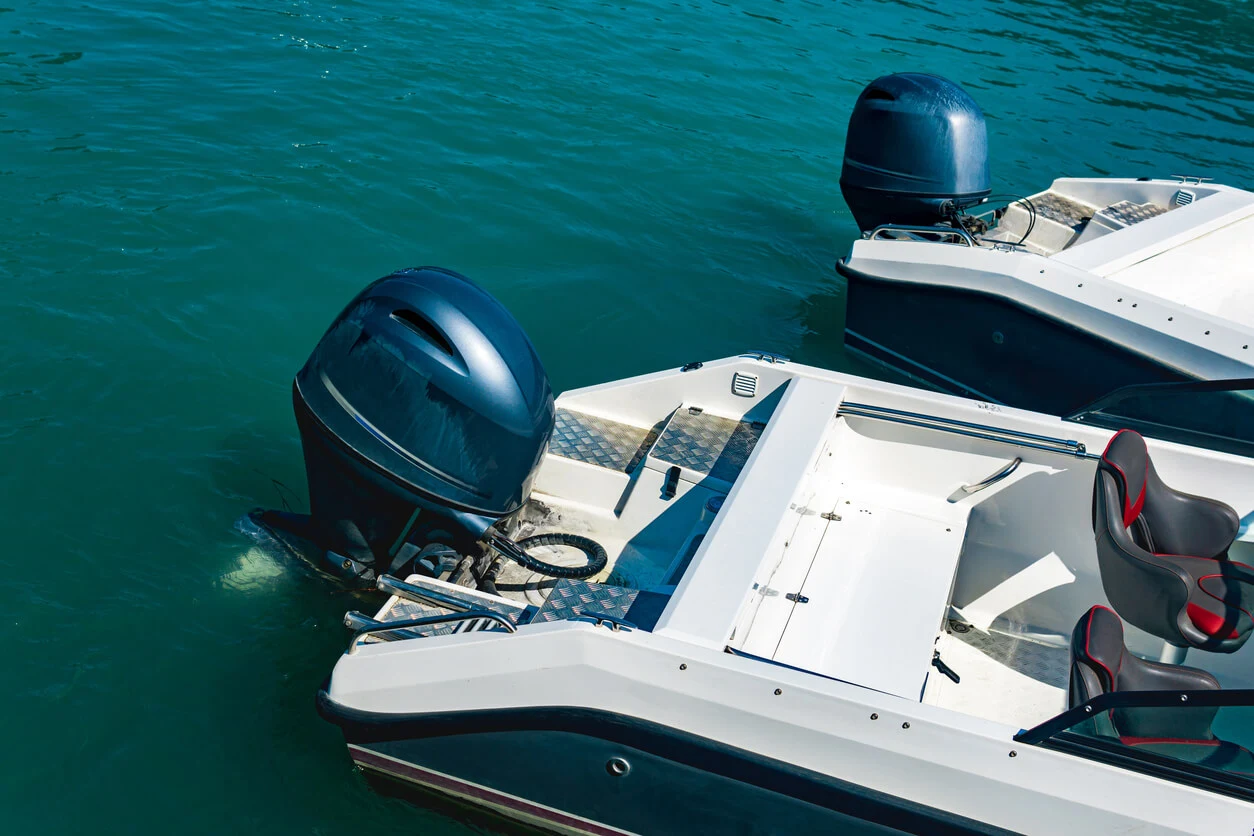
A boat transom can be a vital part of a vessel. So it’s important to understand what it is as a boatowner.
In this guide, we share what a boat transom is and how it differs from the stern. We’ll look at what it does, the different types of boat transoms, and potential transom issues. Plus, we have some handy tips for installing and maintaining a boat transom.
What is a boat transom?
A boat transom is the flat, or sometimes slightly curved, vertical surface at the very back of a boat’s hull. It’s the section you see when standing directly behind the boat and it offers strength and stability.
Stern vs transom
The stern and the transom are both parts of the back of a boat, and these words are commonly used interchangeably. However, they are different things.
The stern is the entire rear section of a boat, including the rear deck area, railings, swim platform, and the transom itself. The transom refers specifically to a flat or slightly curved vertical surface that forms the very back wall of the hull. It’s the solid panel at the stern where outboard engines are typically mounted.
What does a boat transom do?
A boat transom plays a variety of roles, including:
- Supporting the engine: on many boats, the transom is where the engine is mounted
- Providing structural strength: a boat’s transom joins the sides and bottom of the hull together, making it a key load-bearing area
- Forming the stern shape: the shape of a boat’s transom affects how the boat sits in the water and how water flows off the back
- Acting as an attachment point: the transom can be used for supporting accessories like ladders, nameplates, and swim platforms
Types of transoms
There are four main types of boat transoms:
- Flat transom: the most common type and is found on most powerboats
- Raked transom: slightly angled back and can enhance style and performance
- Notched transom: features a recess where the engine is mounted
- Open transom: commonly found on racing sailboats and allows for easy draining
Boat transom materials
Boat transoms need to be strong, rigid, and water-resistant, so they must be crafted using materials that offer these benefits. Some of the most commonly used transom materials include:
- Marine-grade plywood – this is strong, rigid, and affordable which makes it a popular boat transom material. However, it can be susceptible to rot if water gets into it and is heavier than composite alternatives.
- Composite materials – modern boats often use composite cores like PVC foam as they’re lightweight and not susceptible to rot. This makes them ideal for performance boats. Transoms made from composite materials can be expensive and must be engineered correctly to achieve the required rigidity.
- Solid fibreglass – solid fibreglass transoms are less common and sometimes found on high-end or commercial vessels. They’re very durable and there’s no risk of rot, but they’re heavy and expensive to build.
- Aluminium – found on aluminium fishing boats, utility boats, and some RIBs, aluminium transoms are strong, lightweight, and won’t rot. However, they can corrode if they’re not properly protected and they require skilled welding.
The best transom for a vessel depends on the boat type and its engine load:
- High-performance and modern powerboats: composite cores
- Fibreglass leisure boats: marine ply or composite
- Commercial workboats: solid fibreglass or steel
- Aluminium boats: aluminium
- Small dinghies: plastic or composite
Boat transom installation tips
Installing a boat transom, whether fitting a new one or making a replacement, requires accuracy, the right materials, and attention to detail. Here are our top tips for successful transom installation:
- use the right materials, chosen based on the boat type and engine load
- remove all old core material, including wet wood, rot, and loose fiberglass
- sand or grind the outer skin until you reach clean, solid laminate
- create a clean bonding surface which is critical to avoid delamination in the future
- coat wooden cores with epoxy to prevent moisture intrusion and extend longevity
- laminate multiple layers together with epoxy for enhanced strength
- avoid drilling and mounting hardware until fully cured
- drill oversized holes, fill them with thickened epoxy, and re-drill the correct size through the epoxy plug
- use proper sealant on all hardware and recheck this annually
Common transom issues
Boat transoms are put under a lot of stress, especially from engines, water impact, and exposure to the elements. Over time, this can lead to several common issues. Here are the most frequent transom problems that boatowners encounter:
Rot and water ingress
Rot and water ingress are the most common transom issues, especially in those with a plywood core. This problem can be caused by cracks in the transom’s fibreglass coating, poor sealing around bolts, fittings, or engine mountings, and aged or damaged caulking. If water has made its way into your transom, you may notice soft spots when pressed, a spongy feeling around mounting areas, water seeping from screw holes, or a loose engine mount.
Structural weakness
Transoms must be rigid to support engine weight and torque, but long-term stress from a heavy engine, water damage, or poor manufacturing can lead to structural weakness. This may result in visible flex when the engine is trimmed, cracks around the engine bracket, and excessive vibration.
Cracks in gelcoat or fibreglass
Cracks in a transom’s gelcoat or fibreglass often appear around high-stress areas and can be caused by impact damage, stress from engine thrust, age-related fatigue, or hitting a submerged object. You may notice hairline cracks or larger structural cracks. Even hairline cracks should be inspected as they can let in water and lead to further issues.
Delamination
Delamination is when the fibreglass skin separates from the core. This can be caused by trapped water, manufacturing defects, and repeated stress cycles. Delamination symptoms include a hollow sound when the transom is tapped, bulging panels, and a soft or bouncy feeling.
Corrosion
Metal transoms can suffer from corrosion caused by dissimilar metals, poor electrical bonding, exposure to saltwater, and insufficient coatings. Signs of transom corrosion include pitting, surface flaking, and weakened welds.
Bolt hole damage
Bolt hole damage is a minor but common transom problem and can be a result of over-tightened engine bolts, wear caused by loose hardware, or water entering through unsealed holes. Symptoms of this boat transom issue include enlarged holes, leaks, and loose mounting points.
Overpowered or under-supported engines
A transom designed for a small engine may not handle the torque of a larger, modern outboard, and this can lead to widening cracks, transom sagging, and mounting bolts pulling forward. Always check that your boat transom is able to support the engine you have to avoid future issues.
Transom damage inspection checklist
Here are some key things to look out for:
Cracks
- Hairline cracks near the motor mount
- Larger stress cracks radiating from the engine bolts
Discolouration
- Dark or stained areas
- Brown or rusty streaks dripping from bolt holes
Bulging or warping
- Any outward bulge
- Uneven surfaces compared to the hull
- Sagging where the engine mounts
Loose hardware
- Mounting bolts that look recessed, pulled forward, or crooked
Check bolt holes and fittings
Remove a bolt if possible and inspect the hole for:
- Brown, wet, spongy wood = potential rot
- Water dripping out = waterlogged core
- Splintered or enlarged holes = fatigue or stress
Inspect the transom interior for:
- Wet spots or mould
- Fibreglass separating from the wood
- Cracks around knee braces or gussets
- Loose or cracked laminates
Other potential symptoms of a transom issue:
- Excessive vibration
- Loss of top-end speed
- Poor acceleration
- Unusual noises at the stern
10 boat transom maintenance tips
To look after your boat transom, it helps to:
- Keep all holes properly sealed and regularly inspect caulking
- Check engine mounting bolts annually and look for signs of water intrusion, cracking, or crush marks
- Inspect for cracks or gelcoat damage and repair minor cracks early to prevent water ingress
- Keep the transom dry inside and out
- Perform an annual flex test by trimming the engine up and down while watching the transom and lightly bounce the engine to check for movement
- Do a tap test every season – Use a small mallet or screwdriver handle to tap across the transom surface and listen for hollow or dull spots
- Protect against corrosion by rinsing metal transoms with fresh water after saltwater use
- Avoid overpowering your boat – mounting an engine larger than the boat’s rating puts enormous stress on the transom
- Reinforce load points using backing plates if needed
- Remove drain plugs to prevent freeze expansion over winter
Specialist boat insurance through GJW Direct
Now you know what a transom is, what it does, and how to spot potential issues, you may want to consider insuring your vessel with specialist boat insurance through GJW Direct.
Get a quick online quote today.
Please note the information provided on this page should not be taken as advice and has been written as a matter of opinion. For more on insurance cover and policy wording, see our homepage.
Got a question? Call our UK call centre 0151 473 8000
GJWDirect is a
 Insurance Services product


©Copyright Ripe Thinking Limited 2026. GJWDirect® is a registered trademark and a trading name of Ripe Insurance Services Limited which is Authorised and Regulated by the Financial Conduct Authority No.313411.
Registered office: One Stockport Exchange, Railway Road, Stockport, United Kingdom, SK1 3SW. Registered in England No. 04507332.