

Boat maintenance: Boat upkeep tips for motor cruisers and yachts
29 April 2026
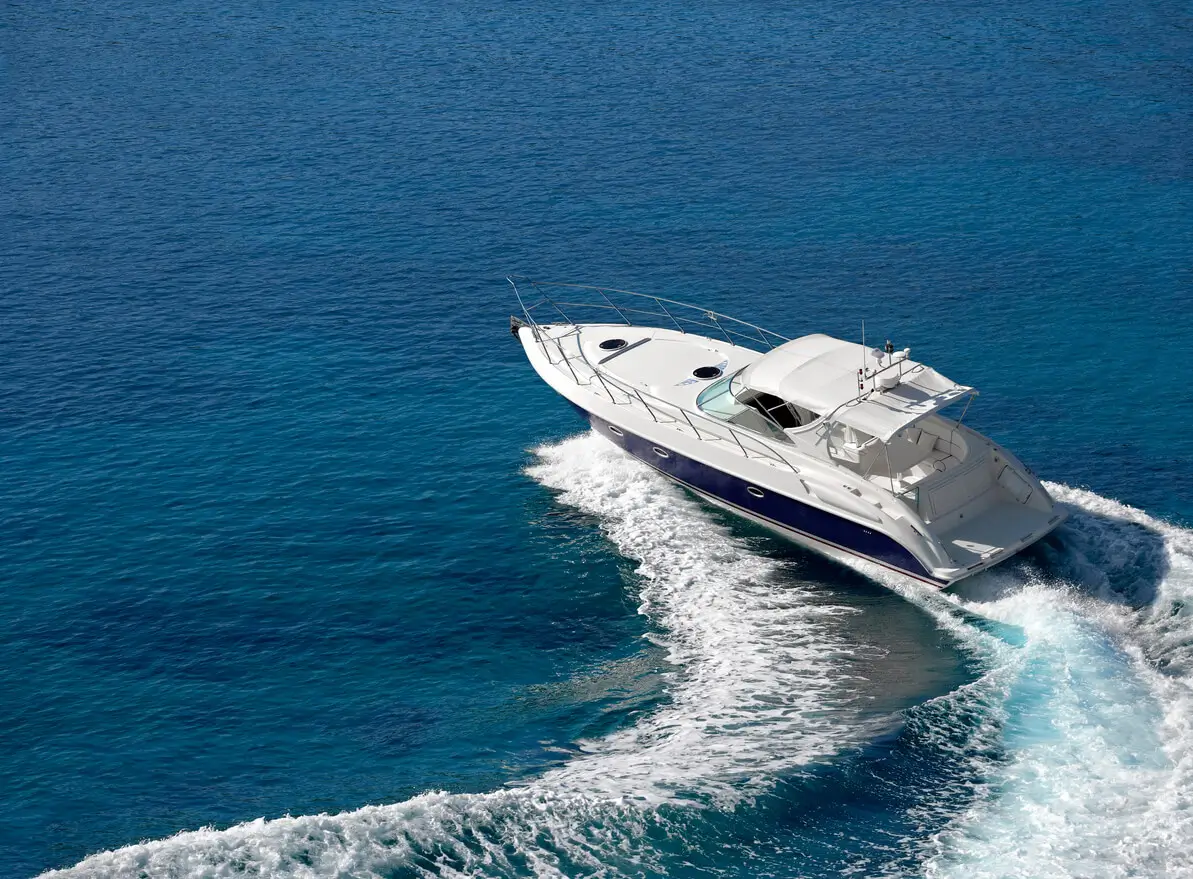
When purchasing your very own vessel, you want to ensure you have a future full of smooth sails and comfortable cruises. To accomplish this, boat maintenance is key to keeping your boat in top condition.
When stepping into the boating world, you need to remember that boat maintenance and repair are just as important as the motor cruiser itself, especially when it comes down to safety and general operations while on the water.
It doesn’t have to be a huge chore, as regular upkeep will make the job easier and less time-consuming. Leaving it for months and letting problems accumulate can not only cause long-lasting issues but also make the job more difficult.
We've compiled a list of key checks and steps to help you get started with maintaining your boat.
Boat maintenance checklist
When it comes to maintaining your yacht or motor cruiser, there are 5 key areas you should focus on to ensure every part of your vessel is kept in good condition. Going through each area below in turn can also help ensure you don't miss any parts of your boat during maintenance and checks.*
1. Engine
A boat engine has lots of components that need regular checks, preferably before each trip out. It's best practice to check fuel and coolant levels, change oil and filters, and regularly inspect belts and hoses. It’s also a good idea to check for leaks and the escape of fluids before and after trips.
2. Propeller
Whilst there’s a lot being done to reduce pollution in the water, there’s unfortunately still a long way to go. This means you should regularly check your propeller for debris. Before your adventure, be sure to check for fishing wire, plastic, and other debris that may have become caught, as this can cause dents and other damage to the propeller. Other things to look out for include:
- Erosion: Ensuring propellers are properly cleaned and treated with the right products when needed will increase their lifespan.
- Surface damage: Maintaining and storing propellers safely will help prevent surface damage.
- Broken seals: Regularly checking for leaks and broken seals will ensure your boat continues to run smoothly.
- Blade straightness: Straight blades help maintain balance, so it's important to monitor wear and tear.
3. Hull
Before cleaning the hull, scan the boat for any chips and cracks. Ignoring them and just cleaning over them could make them worse. Ensure you check for any new changes, particularly following an impact such as scratches or dents that may have been caused by a collision.
Regularly cleaning your vessel can help you catch defects early, before they become more serious problems.
Please always seek professional advice if you are unsure or have concerns about the boat's structural integrity. Once you've cleaned the hull, this is a great time to check the navigation lights, bilge pumps, anodes, and deck fittings before antifouling your yacht or motor cruiser.
As Karen Wallis, Marine Underwriting Manager, explains:
“Don’t try to fix cracks or dents in your hull yourself after an impact. Check above the waterline yourself, and if you believe there is any damage to your hull below the waterline, report this to your insurer as soon as possible. You may be able to have your insurer cover the costs of having your vessel hauled out of the water and checked by a professional to investigate further.”
4. Electrics
Make sure you inspect all of your electronics on board for corrosion, including any batteries, breakers, and fuses. Check that your GPS and VHF radio are working properly before setting off.
5. Rigging and sails
To ensure your rigging and sails remain in the best condition, regularly check your standing rigging for rust, loose fittings, or corrosion. Likewise, your running rigging should be checked for worn sections or any stiffness of movement through the pulleys. When checking your sails and reefing systems, look for any signs of tears, stitching that has come undone, and UV damage. It's also vital to check the mast step and chain plates for wear and tear or damage to ensure your mast remains stable.
6. Safety equipment
Maintaining the safety equipment aboard your boat is just as important as maintaining the boat itself. You should ensure that any fire extinguishers, life jackets, and flares that you have on board are in good working condition before each trip out on your boat.
Sam Hughes, National Water Safety Partner at the RNLI, advises:
“Lifejackets should be regularly checked for visual wear and tear. You should also check that firing mechanisms are not out of date, that they are tight, and have not been used. Gas bottles should be inspected for corrosion and to ensure that they are not loose.
“It’s also worth orally inflating your lifejacket and leaving it overnight to check for leaks or damage. It’s really important to pack your lifejacket away correctly, including folding it and not rolling it! Manufacturers usually provide instructions for checking and repacking your specific type of lifejacket.
“While all of the above can help keep your lifejacket in good condition, checking it yourself is not a substitute for a professional service. Lifejackets should be serviced according to the manufacturer’s instructions at an approved service centre, and for lifejackets this is usually annually.”
If you’re ever unsure of how to properly care for your lifejacket, visit the RNLI’s Lifejackets page for further guidance.
Our top 4 boat maintenance tips
Now you know what to look for, here are our top 4 boat maintenance tips to keep in mind while you work.
1. Use the right tools
This may seem obvious to some people, but using the wrong tools could cause you future problems. Especially if you own different types of vessels, what might be best suited to one may not work for the other. Your essential tools will most likely include a soft-bristle brush, a towel, phosphate-free boat wash, boat wax, and fibreglass polish. It’s important that you research your boat's specific needs to achieve the best results!
2. Clean in portions
Especially when cleaning a larger vessel, it’s best to work in smaller sections. Choose a specific section to focus on, and rinse, soap, buff, and wax before moving on to the next part. Drying in sections is also a good idea because it avoids any watermarks.
3. Try to catch corrosion early
Any part of the boat made of metal is at risk of corrosion, and if it isn’t dealt with quickly and properly, it will eventually break and could cause deterioration that may not be so easily fixed or replaced. You should check the anodes on your cruiser and replace them when necessary.
Karen Wallis adds:
“Make sure you have the right anodes for the type of water that you’re in, whether salt water or fresh water, and inspect them every 3-6 months. Anodes should be replaced once they are considered 50% consumed.
“Regularly checking for corrosion can also help ensure your boat remains seaworthy. This is important to ensure that your insurance remains valid, too, should you ever need to make a claim.”
4. Check the trailer (if applicable to your boat)
Don't forget to check your trailer from time to time; if it's faulty, it could cause damage to your boat. Ensure the rollers are in suitable condition, there is little corrosion, the cables are securely fitted, and the lights are working. It’s best practice to check the wheels and tyre pressure are in good condition too.
Specialist yacht and motor cruiser insurance through GJW Direct
Even if you take great care of your boat, accidents can still happen. As well as planning your boat maintenance, you might want to consider specialist insurance for your motor cruiser or yacht to help provide financial protection should it be damaged or stolen. Find out more and get a quote online today.
Please note the information provided on this page should not be taken as advice and has been written as a matter of opinion. For more on insurance cover and policy wording, see our homepage.
GJWDirect is a
 Insurance Services product


©Copyright Ripe Thinking Limited 2026. GJWDirect® is a registered trademark and a trading name of Ripe Insurance Services Limited which is Authorised and Regulated by the Financial Conduct Authority No.313411.
Registered office: One Stockport Exchange, Railway Road, Stockport, United Kingdom, SK1 3SW. Registered in England No. 04507332.