
Finding the best lifejackets for boaters: A buyer’s guide
08 June 2026
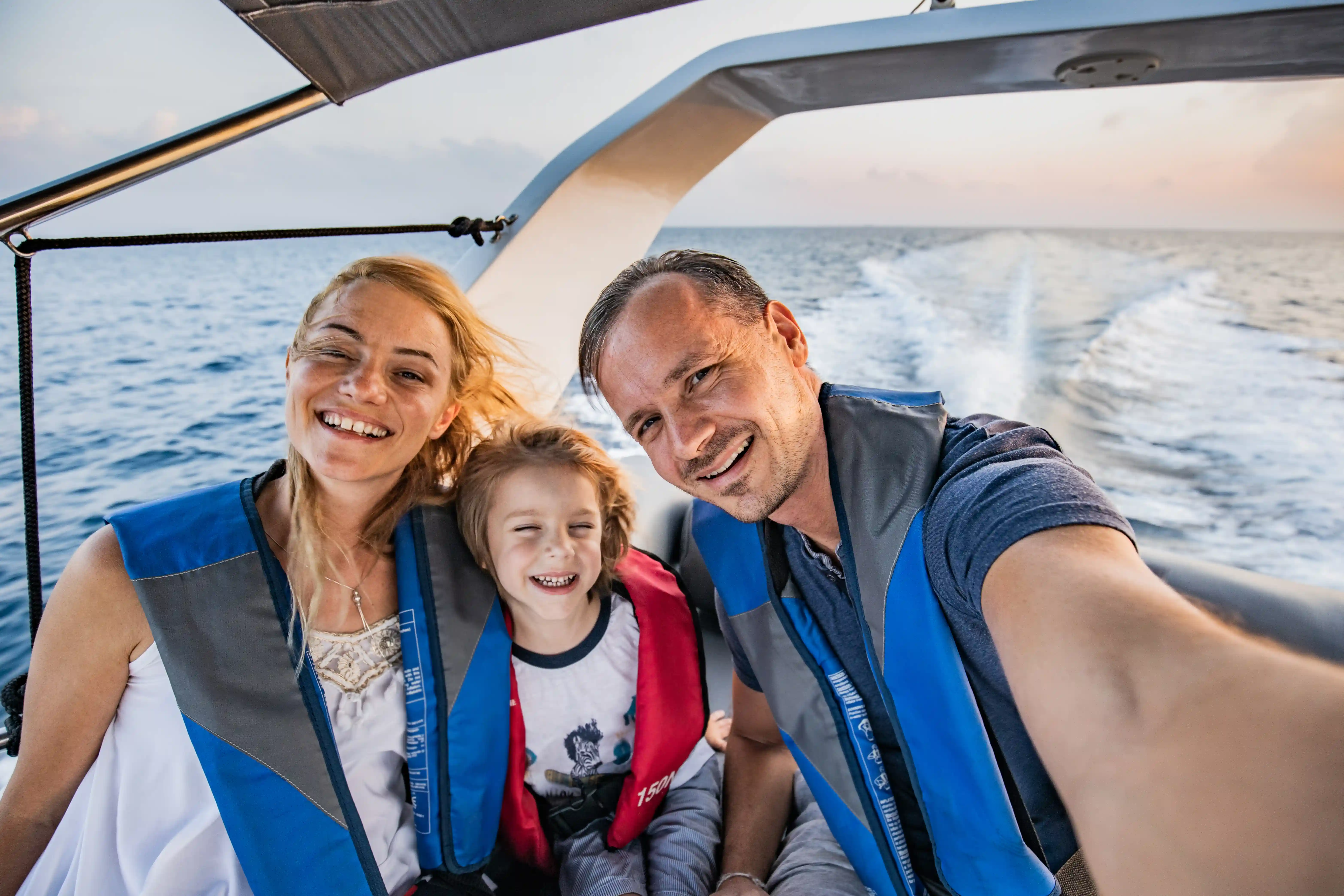
Choosing the right lifejacket will help to keep you safe and comfortable while out on the water. With so many options available, from lightweight buoyancy aids to fully automatic inflatable designs, it can be difficult to know which one is right for you.
In this guide, we share our pick of the five best lifejackets for boaters. We’ll focus on the key features to look for and answer some frequently asked questions to help you enjoy peace of mind during your boating adventures.
What to look for when buying a lifejacket
When buying a lifejacket, look for a few features to help you find a safe, reliable option.
Buoyancy
The buoyancy of a lifejacket determines how well it will keep you afloat. Different activities require different buoyancy levels, so choose one suited to what you need it for, whether offshore boating, fishing on calm waters, or exhilarating water sports.
Fit and comfort
It’s important to find the right fit when looking for a lifejacket, as it may slip off in the water if it’s too loose and could restrict movement and breathing if it’s too tight. Opt for adjustable straps, secure buckles, and a snug fit that allows you to move freely. It’s highly recommended that you try on a lifejacket before buying it, where possible.
Visibility
Bright colours like orange, yellow, and red, paired with reflective strips, can make a huge difference in emergencies, especially in darker conditions or open water.
Material and durability
High-quality fabrics and strong stitching ensure a lifejacket will withstand wear, water exposure, and UV rays over time. Investing in a durable lifejacket may cost more, but it will be safer and will last longer than a cheaper, less well-made option.
The best lifejackets for boaters: Our top 5
Here are five fantastic options to choose from:
1. Seago Active 190N
The Seago Active 190N is a versatile inflatable lifejacket offering strong buoyancy and additional features, like a water-activated SOS light and a spray hood. Suitable for coastal and offshore boating, it provides excellent value and is also available in a 300N version. Boaters like the Seago Active 190N as it’s affordable, has advanced safety features, and is a great choice for varied conditions.
2. Crewsaver Crewfit 165N Sport
The Crewsaver Crewfit 165N Sport is an affordable automatic lifejacket boasting excellent buoyancy and a trusted UK heritage. It’s a great choice for boaters thanks to its automatic inflation and 165N buoyancy.
This lifejacket is lightweight, easy to adjust, and suitable for general boating. Due to its affordability and trusted brand reputation, the Crewsaver Crewfit 165N Sport is a popular option for recreational sailors seeking a dependable lifejacket.
3. Baltic Legend 165N
The Baltic Legend 165N is a high-end lifejacket boasting advanced head support and a twin-chamber design for added safety. Designed for serious boaters, this lifejacket performs particularly well in offshore conditions. It’s popular for its durability and unrivalled safety features and is especially ideal for boaters taking longer voyages where reliability is a priority.
4. Spinlock Deckvest Lite 170N
The Spinlock Deckvest Lite 170N is a high-quality, lightweight, inflatable option designed for comfort and performance. It features automatic inflation, an ergonomic fit, and excellent durability.
This lifejacket is popular for its low-profile design, which allows for freedom of movement while keeping you safe. Ideal for coastal cruising, the Spinlock Deckvest Lite 170N offers reliability, comfort, and quality for regular use.
5. Lalizas Sigma 170N
Lalizas Sigma 170N is a budget-friendly inflatable lifejacket that’s easy to use, boasts excellent buoyancy, and is suitable for leisure boating and occasional offshore use. Boaters appreciate its affordability and straightforward design – it’s an ideal choice if you’re looking for a reliable lifejacket on a budget.
How to look after your lifejacket
Taking proper care of your lifejacket can help ensure that it’s always in full working condition when you need it. The RNLI advises that you should carry out the following:
- Check your lifejackets for visual wear and tear
- Firing mechanisms should be checked to ensure they are not out of date, that they are tight, and have not been used
- Gas bottles should be checked for corrosion and to ensure they aren't loose
- Orally inflate your lifejacket and leave it overnight to make sure there are no leaks or damage
- Always pack your lifejacket away correctly; this includes folding it and not rolling it before storing it away. Manufacturers usually provide instructions for checking and repacking your specific type of lifejacket.
“Research has proven that wearing a lifejacket can increase your chances of survival by up to four times if you're immersed in cold water. However you choose to enjoy the water, wearing a well-fitted, well-maintained and suitable lifejacket or buoyancy aid could save your life.
“We recommend you regularly inspect your lifejacket or buoyancy aid according to the manufacturer’s instructions and in conjunction with an annual service. If in doubt, take the jacket to the manufacturer’s recommended service agent for checking and repacking.' - Sam Hughes, National Water Safety Partner at the RNLI.
Remember, checking a lifejacket yourself is not a replacement for a service. Lifejackets and life rafts should be serviced according to the manufacturer’s instructions at an approved service centre, and for lifejackets, this is usually annually.
Lifejacket FAQs
What’s the difference between a lifejacket and a buoyancy aid?
Lifejackets and buoyancy aids are both designed to help you stay afloat, but they have slightly different purposes. A lifejacket prioritises safety and will automatically turn most wearers onto their back to keep their airway clear, even if they’re unconscious. A buoyancy aid is intended for confident swimmers and active water sports. It provides flotation but doesn’t guarantee a face-up position, offering more freedom of movement than a lifejacket.
What’s the difference between buoyancy ratings?
Buoyancy ratings are typically measured in newtons (N) and show how much upward force a lifejacket provides. Lower ratings are suitable for calm waters and strong swimmers, while higher ratings are designed for rough conditions, offshore use, and situations where extra support may be needed.
Do I need different lifejackets for different water activities?
A lifejacket designed for leisure boating won’t necessarily offer enough support if you’re taking part in high-speed water activities, like jet skiing or wakeboarding. It may also be that anglers prefer jackets with extra pockets, while kayakers prefer slimmer designs that offer more freedom. Choosing a lifejacket that’s suitable for your activity ensures you’ll be safe and comfortable.
How do I know if a lifejacket fits properly?
A lifejacket should feel snug but not restrictive, and when fastened, it shouldn’t come up over your chin or ears when you lift your arms. Adjust all straps and test them by gently pulling up on the shoulders. If it moves too much, it’s too loose. Comfort is important when choosing a lifejacket, but a secure fit is what will protect you in the water.
How long do lifejackets last?
Most lifejackets last between five and 10 years, depending on how often they’re used and how they’re stored. Inflatable lifejackets require regular servicing, while foam lifejackets should be frequently checked for wear, UV damage, and reduced buoyancy. Proper care and maintenance can significantly extend a lifejacket's lifespan.
Are automatic or manual inflatable lifejackets better?
Automatic lifejackets inflate upon contact with water, making them ideal for emergencies, while manual versions require you to pull a cord. Most boaters prefer automatic lifejackets for peace of mind, especially in rough conditions where there may not be the opportunity to react quickly.
Do lifejackets need servicing?
Inflatable lifejackets should be serviced annually or in line with the manufacturer’s guidelines. This includes checking the CO₂ cylinder, inflation mechanism, and fabric condition. Regular servicing provides peace of mind that the lifejacket will work when needed.
Can you comfortably wear a lifejacket all day?
Modern lifejackets are designed to be comfortable, especially inflatable options with lightweight, ergonomic fits. Many boaters wear them all day without issue – choosing a well-fitted, breathable design makes a big difference.
What buoyancy rating is best for UK waters?
For most UK boating conditions, a 150N or 165N lifejacket is recommended. These provide enough buoyancy for coastal and offshore waters, especially when wearing heavier clothing. Lower ratings are better suited to calm waters and confident swimmers.
Are lifejackets legally required in the UK?
There’s no legal requirement for adults to wear lifejackets in all situations. Still, the Royal Yachting Association (RYA) strongly advises wearing a lifejacket unless you are certain it is safe not to.
If you’re taking part in certain activities or events, you may be required to wear one. Some commercial boats insist on all passengers wearing one, too.
Can children use adult lifejackets?
Children should always wear lifejackets designed for their weight and size. Kids’ lifejackets include additional safety features such as head support and grab handles, ensuring proper protection and positioning in the water.
How should lifejackets be stored?
Store lifejackets in a cool, dry place, away from direct sunlight, and avoid placing them under heavy items. Proper storage helps maintain buoyancy, fabric strength, and reliability.
Specialist boat insurance through GJW Direct
Once you’ve chosen the right lifejacket for your needs, you may want to consider getting specialist boat insurance through GJW Direct to help financially protect you and your boat.
Get a quick online quote today.
Please note the information provided on this page should not be taken as advice and has been written as a matter of opinion. For more on insurance cover and policy wording, see our homepage.




©Copyright Ripe Thinking Limited 2026. GJWDirect® is a registered trademark and a trading name of Ripe Insurance Services Limited which is Authorised and Regulated by the Financial Conduct Authority No.313411.
Registered office: One Stockport Exchange, Railway Road, Stockport, United Kingdom, SK1 3SW. Registered in England No. 04507332.