
Canalboat nomads: A continuous cruisers guide
09 June 2026
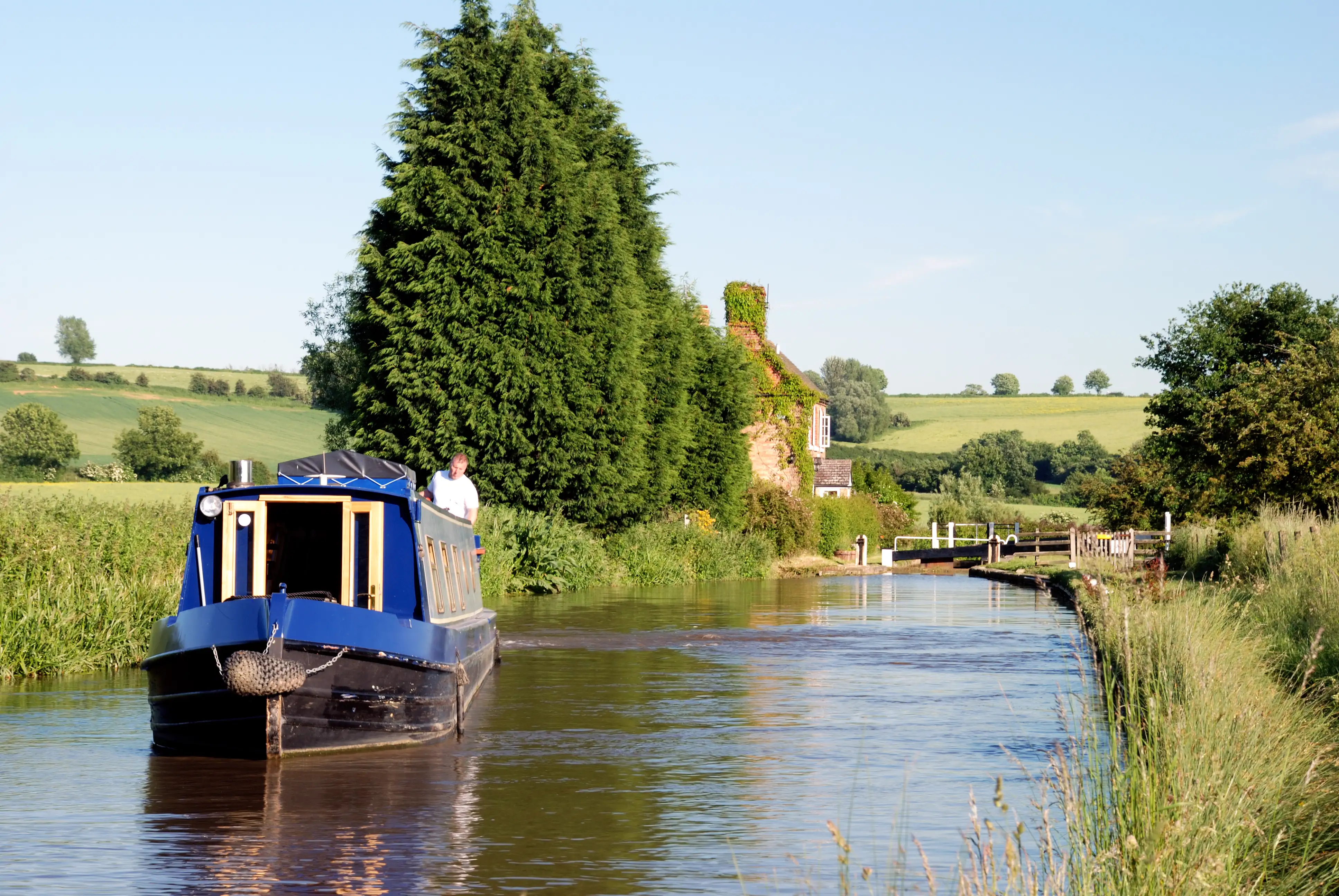
Life travelling along the UK’s beautiful waterways is appealing to so many people. You can immerse yourself in nature, become part of a welcoming community, and wake up in a new place every day. But there are a few things to be aware of when choosing life as a canalboat nomad and continuous cruiser.
In this guide, we discuss what continuous cruising is, how far you have to move, and how much a licence costs. Plus, we’ll answer some canalboat nomad FAQs.
What is continuous cruising?
Continuous cruising applies to boat owners who travel around the UK canal network without a permanent home mooring. This is overseen by the Canal & River Trust – a charity that takes care of the country’s rivers and canals, manages licences, and puts rules in place to ensure these much-loved waterways are a safe, pleasant space for everyone to enjoy.
While leisure boaters mainly use their boats for holidays and weekend trips, and residential boatowners live aboard full-time and have a residential mooring, continuous cruisers must make a progressive journey and can’t stay in one place for too long. There are many reasons why continuous cruising attracts so many people. It offers freedom and flexibility, lower living costs, a minimalist lifestyle, and the chance to connect with nature and canal communities.
While life as a canalboat nomad is cheaper than owning a property or having a residential mooring, it doesn’t mean you’ll live on the waterways for free. A surcharge will be added to the standard licence fee for continuous cruising.
How far do continuous cruisers have to move?
Continuous cruisers don’t need to move a specific distance in order to follow the rules, but they must ensure they’re making a genuine, continuous journey.
You can stop off for 14 days in most places, except where signage states otherwise, such as on busy London canals and in popular visitor spots. But you must make meaningful progress rather than continuously travel up and down the same stretch of water.
The law states that the boat “will be bona fide used for navigation throughout the period of the licence”. This means that canalboat nomads must be genuinely moving, in passage, or in transit throughout the duration of their licence. You can’t simply make short journeys with the aim of staying in one area for extended periods.
If someone with a continuous cruising licence is seen to be staying in one place for too long, they face a range of consequences. This includes being sent warning letters and being unable to renew their licence. It could even result in having their boat removed from the water in extreme circumstances.
How much is a continuous cruising licence?
Continuous cruisers will need a standard licence. The cost of this depends on the length of your boat, the waterway category you apply for, and whether you choose to pay monthly or annually.
Three-month licences aren’t available to canal nomads. Only six-or 12-month licences can be bought for this cruising type. There are also discounts available for certain boat types, such as electric or heritage vessels.
A surcharge will be added to this licence for continuous cruisers. If you’re spending your time travelling the waterways, you should also consider the cost of fuel, narrowboat maintenance, insurance, and mooring fees. This can all add up when you’re constantly on the move.
Specialist narrowboat insurance through GJW Direct
If you do decide to become a continuous cruiser, you may want to consider getting specialist narrowboat insurance through GJW Direct to help provide financial protection for you and your narrowboat. Find out more about specialist narrowboat insurance or get a quote online today.
Continuous cruising FAQs
What things do continuous cruisers need to consider?
If you’re considering a continuous cruising lifestyle, you should think about what your daily routine will consist of and how you’ll manage and pay for things like water, electricity, and heating. You’ll also find that you won’t be able to get internet and mobile signal on all parts of the river and canal system, which could disrupt communication and work responsibilities.
There’s a lot of physical work involved when cruising continuously. This includes operating locks, carrying out maintenance, and handling fuel. Whether you can manage these tasks is also an important consideration.
What are the main costs involved as a canal nomad?
In addition to the license fee, canal nomads may need to budget for diesel and solid fuel costs, hull maintenance, engine servicing, emergency repairs, insurance, and Boat Safety Scheme renewals. There may also be unexpected weather-related expenses in winter when damp and condensation can cause issues.
When deciding whether continuous cruising is right for you, it’s important to compare the expenses involved with the cost of mooring.
Is there a good community of continuous cruisers?
Yes, the continuous cruising community is a great one to be part of for many reasons. There are often canal festivals and gatherings to attend, as well as online boating groups and forums where you can find and share tips and advice. You’ll often meet new people at locks, canal-side pubs, and moorings.
To be a great continuous cruising community member, ensure you understand river and canal etiquette and be respectful to other waterway users and those who live in nearby residential areas.
What are some of the main winter cruising challenges?
As you may expect, continuous winter cruising can come with its challenges, such as frozen canals, reduced daylight hours, and keeping warm. The biggest winter risk is often flooding. If a flood warning is issued, Charlotte Foreman, Director of River Canal Rescue, advises that you should take the following precautions:
- Check the ropes: Build in some slack, as tight ropes can be a real hazard with changing water levels.
- Choose your mooring location carefully: It's worth taking time to check the bank and identify what the underwater bed is like. If there's a steep drop or a shallow bank, the boat will list when the water recedes. In addition, consider the flow of the water and how it will affect the mooring, such as whether it will push or pull the boat, and whether it could cause problems with other mooring points. Make sure that you can still get on and off the boat if the area is subject to flooding. It’s a good idea to invest in a boarding plank and some scaffold poles, as the poles can help prevent the boat from drifting onto the bank during a flood.
- Clean out drain holes: Keep them clear by regularly cleaning them out. Over time, they can become blocked with debris and corroded. If this happens, water may leak into the engine compartment.
- Check the bilge pump: Ensure it is working, and install an automatic float switch. All bilge pumps provide some protection from water ingress, but only those with an automatic switch will protect the vessel if you are not around. Bilge pumps without an automatic switch require the owner to manually turn them on.
Locks can also be more difficult to use in winter, as paddles may freeze, towpaths can become icy, and mechanisms can become stiff. You should also check that locks are available to use, as they’re sometimes closed for maintenance during the quieter winter months. It’s important to be extra aware of moisture and mould prevention on board during winter, and you may want to consider purchasing a dehumidifier.
River Canal Rescue created an app called WaterNav, which can be a valuable resource for continuous cruisers planning routes along the UK's inland waterways, with maps that include locations for pump-out and water points, as well as local amenities. Discover some essential tips for living on a narrowboat in winter.
What are some common misconceptions about continuous cruising?
There are a few common misconceptions about continuous cruising that make this lifestyle not necessarily right for everyone. Misconceptions include:
- Assuming you get to live for free
- Thinking you can stay wherever you want,
- Believing it’s always peaceful
- Thinking there’s little maintenance to do
- Assuming anyone can adapt easily
Before committing to life as a canal nomad, be sure to cruise for an extended period to see if it’s the right choice for you full-time.
Please note the information provided on this page should not be taken as advice and has been written as a matter of opinion. For more on insurance cover and policy wording, see our homepage.
GJWDirect is a
 Insurance Services product


©Copyright Ripe Thinking Limited 2026. GJWDirect® is a registered trademark and a trading name of Ripe Insurance Services Limited which is Authorised and Regulated by the Financial Conduct Authority No.313411.
Registered office: One Stockport Exchange, Railway Road, Stockport, United Kingdom, SK1 3SW. Registered in England No. 04507332.