
Your eco-friendly guide to green boating
08 June 2026
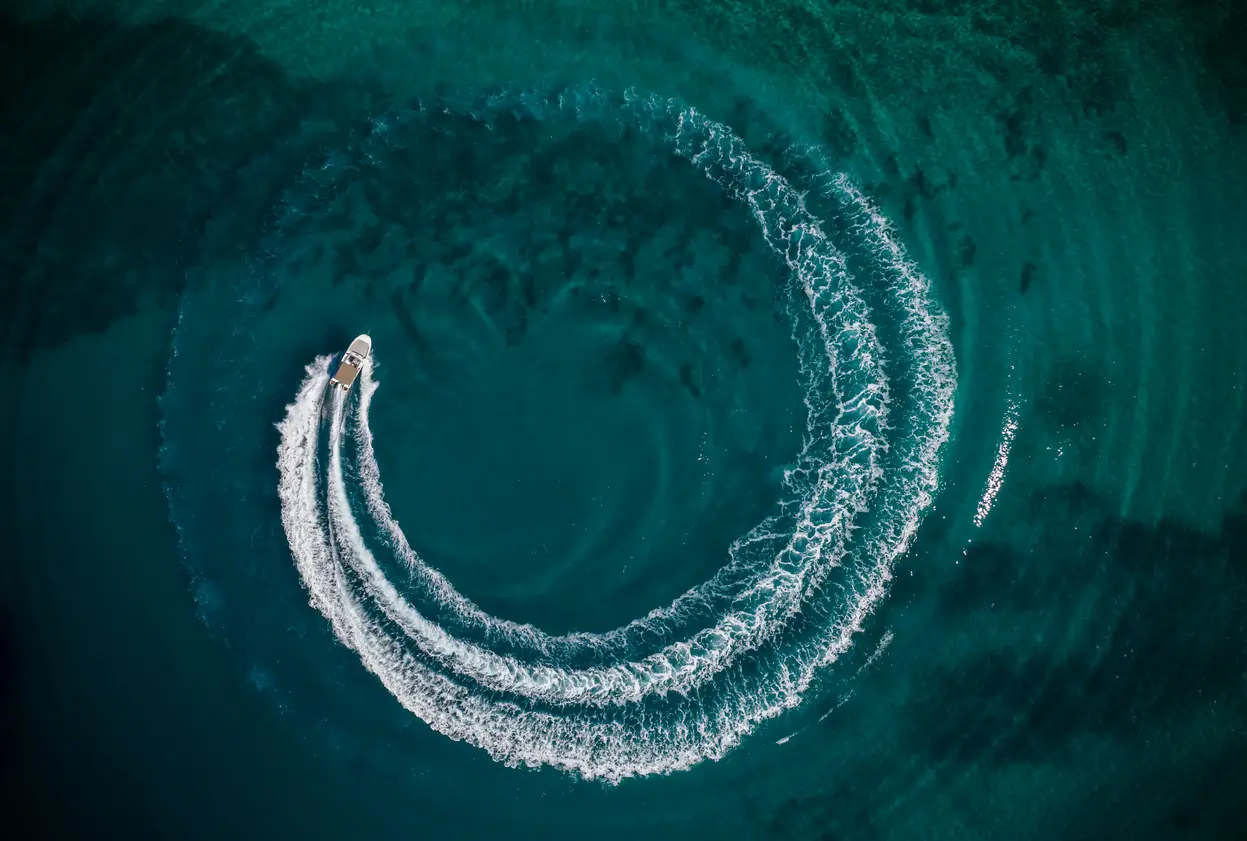
Boating and the environment go hand-in-hand; so, as you explore the waterways of the world, it’s important to take steps to follow green boating practices. If you’ve spent any time at all at sea, you’ll have seen some of the effects of human negligence for yourself, from plastic bags floating past to oil spills that turn once-blue waters murky. Here are our top ways to make sure your next boat trip is as environmentally friendly as possible!
Our top 10 green boating tips
There are several steps you can take to become a more environmentally friendly boater, many of which you can put into practice straight away. To get you started, we’ve compiled a list of green boating tips split into three categories: wildlife, maintenance, and use of the waterways.
Protecting wildlife on the water
The wildlife in and around the waters of the UK and abroad is part of what makes boating so enjoyable. There’s nothing more exciting than seeing a pod of dolphins or spotting colourful fish while you’re cruising the waters. To help protect it and leave wildlife undisturbed, you can:
1. Give wildlife space
If you spot wildlife swimming at a distance, always give it space rather than moving closer to get a better look. The Green Blue advises that a good rule to follow is to stay 100m away from marine wildlife in the water and 50m away from wildlife on rocks and cliffs.
2. Cruise slowly if you spot wildlife nearby
Should you see wildlife in the distance, reducing your vessel's speed, provided it is safe to do so, can help ensure you don’t startle the wildlife and cause a disturbance.
3. Avoid pursuing wildlife if it moves away
Should you be lucky enough to have wildlife approach your boat, don’t follow it should it choose to move away. It’s best to let the wildlife choose how long it wants to stick around. If your boat is stationary and you want to get on the move again, do so slowly once it is safe to do so, ensuring the wildlife isn’t in a position to be injured in doing so.
For more information on how you can help conserve aquatic wildlife, visit The Green Blue website.
Green boating maintenance practices
As an avid boater, you’ll already be aware that regular boat maintenance is a must to keep your vessel in good condition. Here are four ways you can ensure you’re maintaining your boat whilst also protecting the environment.
1. Choose eco-friendly cleaning products
Every product you use can end up in the water, including those from onboard sinks, showers, dishwashers, and washing machines. This waste is known as ‘greywater’ and is often considered sewage due to the high levels of pollutants and harmful chemicals it contains. Try to use environmentally friendly products that contain fewer toxins and make the most of onshore marina facilities to do domestic tasks.
2. Use non-toxic antifouling
While highly toxic antifouling chemicals have been banned in the UK, it’s still possible to purchase antifouling paints which contain chemicals such as copper biocides, which are harmful to marine life. You can avoid using harmful chemicals by choosing low or copper-free paints or by using ultrasonic antifouling systems.
3. Avoid oil and petrol spills
If oil or petrol gets into waterways, it can affect all forms of wildlife that use them, from fish to birds and otters. Always refuel at the dock, not in the water, and avoid overfilling the tank to prevent leakage. Use absorbent pads to soak up any oil around your bilge and keep the engine well-maintained to prevent leaks.
If you see a spillage, identifiable by a sheen on the water, report it immediately to the local coastguard, who will be able to deal with it safely and effectively.
4. Keep up with regular boat maintenance
Prevention is key to ensuring your boat runs at optimal performance, which, in turn, will improve fuel efficiency. Check for any damage and have it repaired before your trip, from the electrical systems to the propeller, as they all have an impact on fuel economy.
Eco-friendly use of the waterways
As well as protecting wildlife and taking an eco-friendly approach to maintaining your vessel, there are several green boating tips which you can apply at all times while you’re out on the water.
1. Reduce, reuse and recycle
Wherever possible, these three golden rules are just as important on the water as when on land. Never throw waste overboard; 20% of marine debris comes from water-based vessels, and the impacts on fish, seabirds and marine mammals are fatal due to ingestion, entanglement and suffocation.
An aluminium can can take up to 500 years to degrade, while plastic bags never disintegrate. Cut down on unnecessary packaging or dispose of any wrapping whilst still on land. Use reusable containers and refillable water bottles to avoid piling up rubbish on board your boat and dispose of it properly once back on shore. Careful meal planning can help ensure you only take what you need and cut down on waste.
2. Think before you flush
Ideally, use toilets on land. But should nature call whilst you’re at sea, make sure that sewage is disposed of carefully. The best option is to use a toilet with a marine sanitation device installed, which is attached to the holding tank.
Small vessels usually have a Type III system that empties at a pump-out facility, while larger offshore boats frequently have a Type I system that can pump treated sewage overboard. If you have to discharge sewage into the water, make sure you’re at least three miles from shore, as it can have a negative impact on marine life.
3. Choose your anchoring spot carefully
While not always possible, using designated mooring buoys when available can help prevent damage to aquatic habitats such as seagrass beds and coral reefs.
Specialist boat insurance through GJW Direct
Following eco-friendly principles whilst you travel on your boat can help protect the environment; you may also want to consider boat insurance to help financially protect both you and your boat.
Get a quote today to see how much your cover could cost.
Please note the information provided on this page should not be taken as advice and has been written as a matter of opinion. For more on insurance cover and policy wording, see our homepage.




©Copyright Ripe Thinking Limited 2026. GJWDirect® is a registered trademark and a trading name of Ripe Insurance Services Limited which is Authorised and Regulated by the Financial Conduct Authority No.313411.
Registered office: One Stockport Exchange, Railway Road, Stockport, United Kingdom, SK1 3SW. Registered in England No. 04507332.