
Understanding Narrowboat Dimensions: Types and Widths
26 May 2026
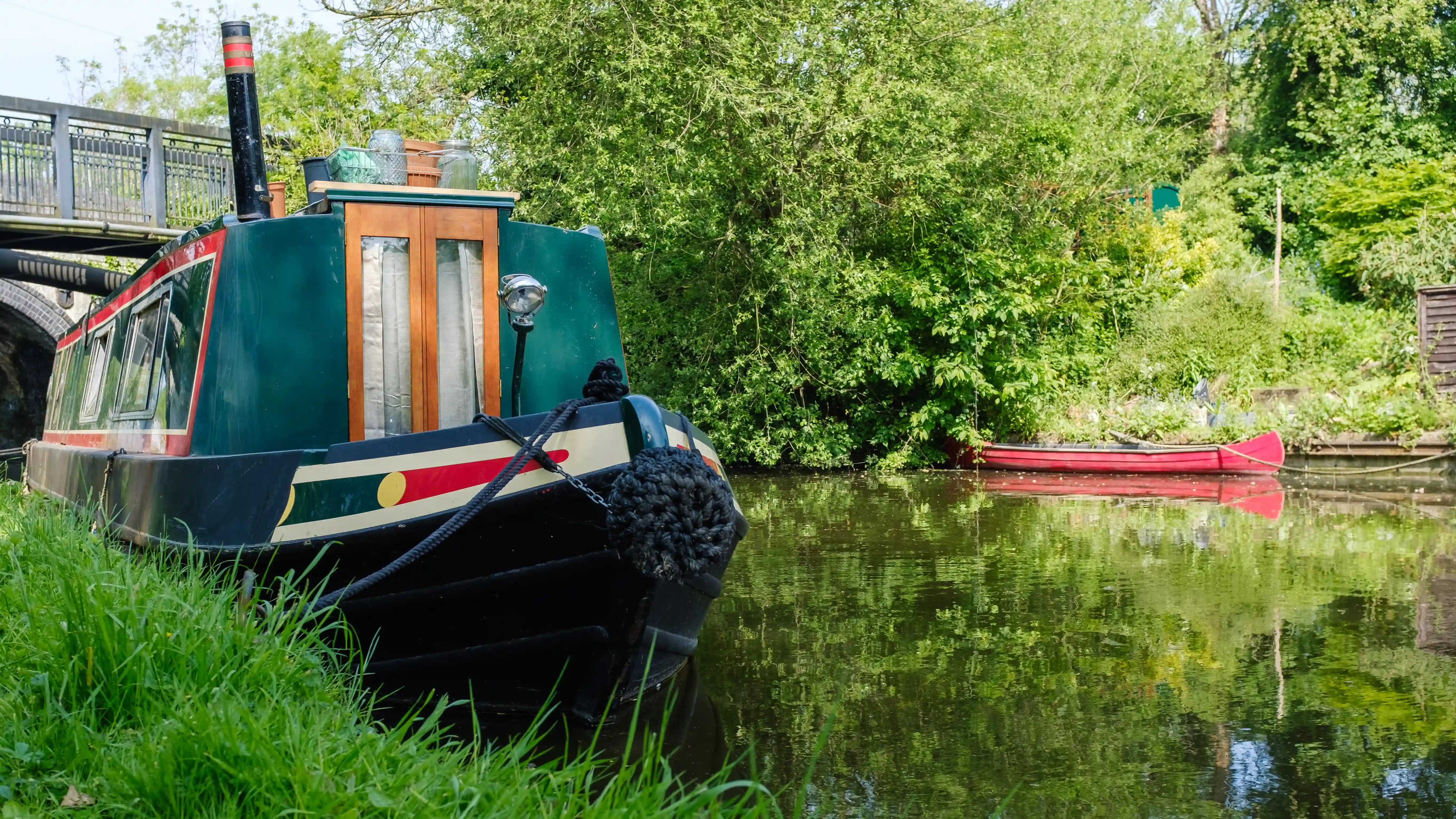
Whether you dream of weekend adventures or a home on the water, choosing the right narrowboat begins with understanding its dimensions. The width, length, and height of a narrowboat determine where you can travel, how easy it is to handle, which moorings are available, and how comfortable it is on board. Considering the differences can help you find a boat that perfectly suits your lifestyle.
Typical narrowboat dimensions
Before choosing a narrowboat, it helps to understand the key measurements that define it.
Length
The length of a narrowboat is measured from bow to stern and typically ranges from around 20 feet to 72 feet. Longer boats offer more living space but can be harder to turn and may not be able to travel on all waterways.
Beam
The beam is the width of the boat. Traditional narrowboats are usually built to a maximum width of 6 feet 10 inches, which means they can fit through narrow canal locks across the UK canal network.
Draft
Draft measures how deep the boat sits in the water. A deeper draft can improve stability but may limit access to shallow canals and waterways.
Air draft
Air draft is the height from the waterline to the highest point of the boat. This is important when navigating beneath low bridges or through tunnels.
Why canal dimensions matter
Traditional narrow canals were designed to accommodate boats no wider than 7 feet, which is why standard narrowboats are still built relatively slim today.
Broad canals and rivers can accommodate much wider vessels, which opens up opportunities for widebeam boats, but access on smaller waterways is limited. These restrictions mean that boat dimensions directly affect where you can cruise.
Types of narrowboats by width

Here we’ll look at the main types of narrowboats by width.
Traditional narrowboats
Traditional narrowboats are a popular choice for UK canal cruising. Built to fit through narrow locks, they’re perfectly suited to navigating most of the inland waterway network.
Their narrow profile can make them look uncomfortable, but clever layouts and excellent storage solutions make them a great option.
The main advantage of a traditional narrowboat is freedom. With a standard beam of 6 feet 10 inches, these boats can travel almost anywhere on the UK’s canal network. They’re also easier to handle in tight spaces, making lock navigation and mooring simpler.
The biggest limitation of traditional narrowboats is interior space. While well-designed narrowboats can feel cosy and practical, they offer less room than wider vessels. Storage can also be challenging, particularly for families or anyone planning to stay on board long term.
Widebeam narrowboats
Widebeam boats are wider than traditional narrowboats and are designed for space and comfort. Common widths include 10, 12, and 14 feet. The main benefit of a widebeam narrowboat is space. Wider interiors allow for comfortable layouts, full-sized furniture, and greater separation between living areas.
The trade-off comes in cruising freedom, as widebeams can’t access narrow canals due to lock restrictions. They can also be more expensive to moor and maintain. Plus, handling a wider boat in tight marinas or busy waterways may require additional confidence and experience.
Narrowboat lengths
Now let’s consider the different lengths of narrowboats.
Short narrowboats (20 to 40 feet)
Short narrowboats are a popular option as they’re responsive and easy to manage. Their smaller size makes turning, mooring, and navigating locks far less stressful than longer vessels. Maintenance costs are often lower, too. This makes them especially appealing to people cruising on a budget.
Short narrowboats are ideal for weekend escapes, solo travellers, and first-time owners looking for an introduction to canal cruising.
Mid-length narrowboats (45 to 60 feet)
Mid-length narrowboats offer a nice balance between living space and manoeuvrability, providing enough room for longer trips while remaining manageable on most waterways. Couples and long-term cruisers often find this size to be the perfect option as they’re comfortable and agile.
Long narrowboats (60 to 72 feet)
Long narrowboats maximise onboard living space and can accommodate multiple cabins, larger kitchens, and extra storage. For families or full-time living, this additional space can make everyday life more enjoyable.
However, longer boats can be more difficult to turn and may struggle with certain locks and mooring spaces. Route planning becomes increasingly important when cruising on a larger vessel.
Choosing the right narrowboat size
The following tips can help you find the right-sized narrowboat for your needs:
Consider your cruising routes
Your preferred cruising routes are an important consideration when making your decision. If you want to explore the full UK canal network, a traditional narrowboat is usually the best choice. If you plan to stay on broad canals and rivers, a widebeam provides extra comfort and could be right for you.
Think about your lifestyle
For holidays and weekend breaks, a smaller or mid-sized narrowboat may offer everything you need without unnecessary expense or maintenance. Living aboard often requires additional storage, workspace, heating, and space for home comforts.
Families may need additional cabins and communal space, while solo boaters can often enjoy a more compact, simpler setup.
Mooring and marina considerations
Not all marinas and moorings can accommodate every boat size, and width and length restrictions may limit availability, particularly in busy areas. Larger boats can also be more expensive to moor, and residential moorings for widebeams can be harder to secure.
For this reason, checking mooring options before purchasing a narrowboat is highly recommended.
Budget and running costs
Larger boats are more expensive to run, and initial purchase prices are typically higher too. Ongoing costs such as fuel, blacking, insurance, and maintenance can increase significantly with size.
Licence fees and mooring costs are also often calculated based on dimensions, making boat size an important financial consideration.
Handling and navigation
Both manoeuvrability and lock navigation will have an impact too:
- Manoeuvrability: Narrower and shorter boats are generally easier to steer and manoeuvre, particularly for beginners. Longer boats require greater awareness of turning space and stopping distances.
- Lock navigation: Traditional narrowboats are suitable for narrow locks, making lock operation relatively straightforward. However, longer or wider boats may present additional challenges, especially for solo boaters navigating complex lock flights.
Common mistakes when choosing a narrowboat
Try to avoid these common mistakes:
- Choosing a boat that’s too large for your intended cruising routes
- Underestimating the importance of storage, mooring availability, or maintenance access
- Prioritising aesthetics over functionality
It’s important to take the time to look at different boats, speak with experienced boaters, and test layouts in person. This can all help you to make an informed decision.
Narrowboat size FAQs
What’s the standard width of a narrowboat?
The standard width of a traditional narrowboat is approximately 6 feet 10 inches, allowing it to pass through narrow canal locks across the UK.
Can widebeam boats use all UK canals?
Widebeam boats are restricted from many narrow canals as they can’t fit through smaller locks. For this reason, they’re best suited to broad canals and rivers.
What size narrowboat is best for living aboard?
Narrowboats measuring between 50 and 70 feet long are popular with people living aboard. It depends on whether you’re looking for cruising flexibility or additional space.
How long can a narrowboat legally be?
Most UK narrowboats are built up to around 72 feet long, as this is close to the maximum length accommodated by many canal locks on the network.
Specialist narrowboat insurance through GJW Direct
Once you’ve decided which narrowboat size works for you, you may want to consider getting specialist narrowboat insurance to help provide financial protection for you and your narrowboat.
Find out more about specialist narrowboat insurance or get a quick online quote today.
Please note the information provided on this page should not be taken as advice and has been written as a matter of opinion. For more on insurance cover and policy wording, see our homepage.
GJWDirect is a
 Insurance Services product


©Copyright Ripe Thinking Limited 2026. GJWDirect® is a registered trademark and a trading name of Ripe Insurance Services Limited which is Authorised and Regulated by the Financial Conduct Authority No.313411.
Registered office: One Stockport Exchange, Railway Road, Stockport, United Kingdom, SK1 3SW. Registered in England No. 04507332.