

Storm damage to boats: Risks and how to prepare
11 November 2026
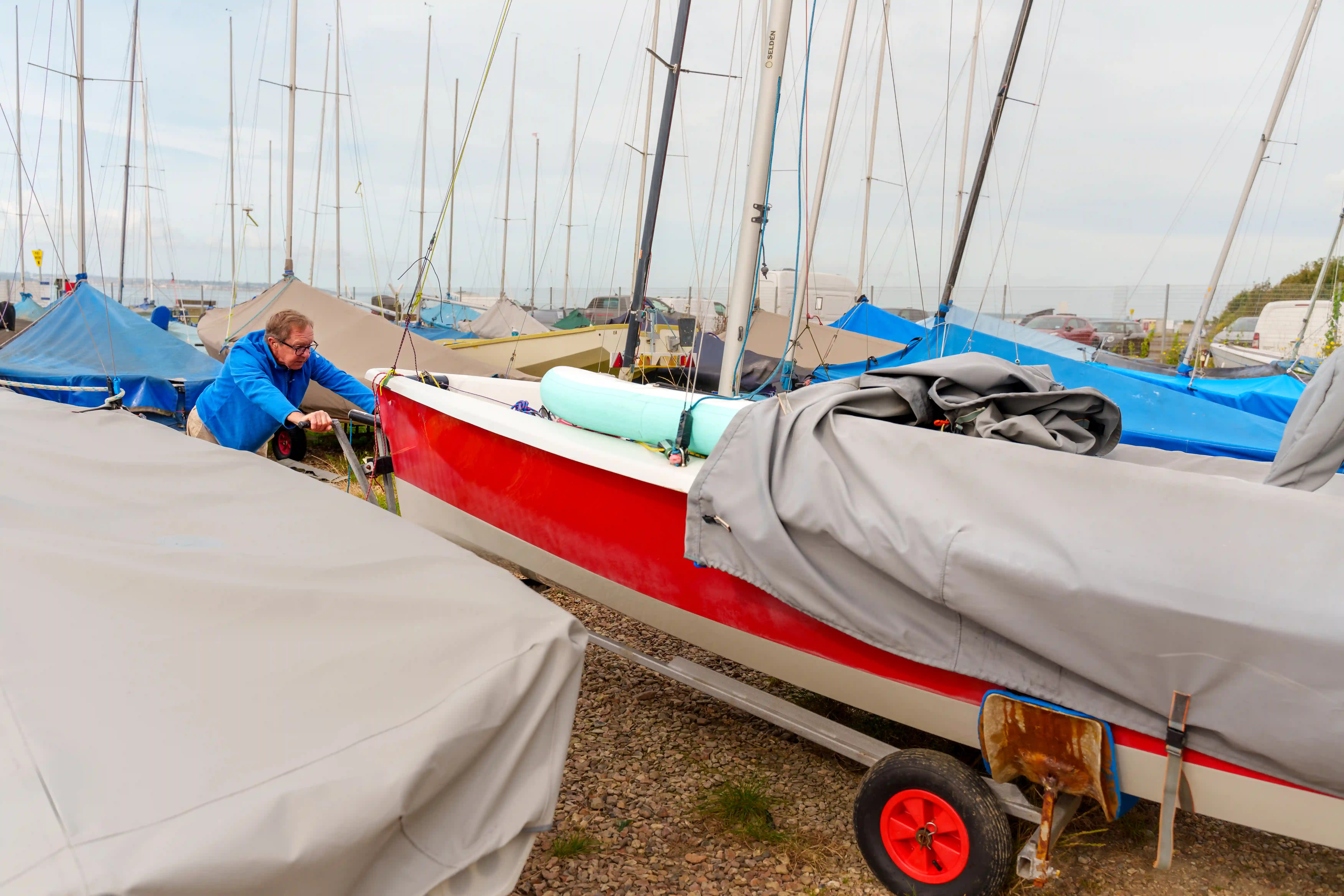
1 in 10 claims made through GJW Direct involved weather-related incidents between June 2025 and September 2026. The examples include damage whilst in a marina, ashore and out on the water, so preparation matters wherever you keep your boat.
Below, we look at the key findings and the checks they point to, from mooring lines to storage arrangements.
Key findings from weather-related claims records
Our analysis of 2025–2026 boat insurance claims records found:
- 1 in 10 of all claims involved weather-related incidents.
- Yachts and sailing boats accounted for 59% of weather-related claims.
- At least 27% of weather-related claims described damage while moored or following mooring failure.
- 31% of weather-related yacht and sailing-boat claims mentioned sails, masts, booms, rigging or covers.
Preparing your boat for bad weather in winter
After enjoying a hot summer of taking your boat out on the water, the UK is expected to see extreme weather this winter, with a higher potential for rain, strong winds and storms.
Although it's impossible to completely eliminate the impact of heavy weather on your boat, there are steps you can take to help reduce the risk of damage when a storm is approaching.
Check your boat mooring before strong winds arrive
At least 27% of weather-related records described damage while moored or following mooring failure. This includes damage sustained whilst in a marina, even where a mooring failure was not recorded.
Looking more closely at moorings and their fittings, 16% of all weather-related records involved failed moorings or damaged cleats and fairleads. This includes incidents involving another vessel's failed mooring.
To help reduce the risk of your boat suffering damage while moored, there are several steps you can take:
- Check your mooring lines: Look for wear and chafe, where a rope rubs against another surface.
- Inspect attachment points: Check accessible cleats, fairleads and other attachment points for damage or movement. Report any concerns to the marina or mooring provider.
- Review your berth arrangements: Give yourself time to discuss the boat's surroundings and berth arrangements before conditions deteriorate.
- Check your fenders: Review fender placement and possible contact points. A fender that has slipped out of position may not protect the area you intended.
- Consider additional lines: The RYA's winterising guidance recommends checking lines and fenders and considering extra lines where needed. Their arrangement must suit your berth and changing water levels.
Do not simply tighten every rope or copy another boat's setup. If you spot a neighbouring boat that concerns you, tell marina staff rather than boarding it yourself.
Check marine forecasts and local harbour advice
Start with the Met Office's marine forecasts, then check instructions from your harbour, marina or navigation authority.
Wind, sea state, tides and local water levels can all affect your plans. A land-weather forecast alone does not describe conditions at your berth.
The RNLI's boating preparation guidance emphasises checking forecasts and tides. The Met Office also warns against using internet forecasts as your only source of current maritime warnings.
Ask about berth-specific precautions early. A forecast is a prompt to prepare safely, not a reason to move your boat once conditions have become dangerous.
Reduce windage from sails, covers and loose equipment
31% of weather-related yacht and sailing-boat records mentioned sails, masts, booms, rigging or covers.
Windage means the area exposed to the wind. Sails, canopies and covers can add to it, making exposed equipment a useful place to focus your checks.
- Inspect accessible straps, stitching and securing points.
- Follow your sailmaker's, boat manufacturer's or yard's instructions on what to remove, stow or secure.
- Put loose deck equipment away or secure it appropriately.
- Do not leave a problem with a cover until strong winds make it difficult to handle.
Work requiring mast access, rig adjustments or specialist equipment belongs with a suitable marine professional.
Our boat maintenance checks provide broader guidance on upkeep.
Check rainwater drainage and water-ingress precautions
For RIBs, claims included rainwater affecting an engine and wave damage to the bow structure. This category share covers different types of damage, rather than water ingress alone.
As part of your preparation:
- Clear debris from accessible deck and cockpit drains.
- Check window, hatch and locker closures.
- Keep essential ventilation and drainage unobstructed.
- Where fitted, check bilge-pump operation and the condition of its power supply in accordance with the manufacturer's instructions.
A pump is not a guarantee against flooding, and a flat battery can leave an automatic system unable to work.
Avoid universal rules such as removing every bung or closing every seacock. The right arrangement depends on the boat and whether it is afloat or ashore. Ask the yard if you are unsure.
Secure dinghies and boats stored ashore
17% of weather-related dinghy records described damage ashore, including boats moving from trailers or overturning.
These examples show why a boat park needs preparation too. That's not to say that storing your dinghy ashore is more dangerous, but it's worth bearing in mind that it won't automatically be safe from storm damage just because it is out of the water.
To prepare your dinghy for bad weather:
- Check cover straps, tie-downs and the trailer or trolley arrangement with your sailing club or yard.
- Remove loose gear.
- Report nearby unsecured items or debris that could threaten boats in strong winds.
- Follow the boat's storage guidance rather than assuming one tying-down method suits every dinghy.
Our dinghy boat-park care guide covers the wider storage routine.
For larger boats on cradles or props, ask the yard to assess support and ground conditions. Do not reposition props yourself. Arrange future checks with the site operator if you cannot visit, always subject to safe access.
Plan for rising water levels on inland waterways
For narrowboats, barges and houseboats, claims included damaged windows, doors and wheelhouse roofs, and loose timber striking another vessel.
Secure loose items and check closures early. Rising water levels need separate planning, as weather-driven flooding can change levels and currents in ways an onboard leak does not.
Canal & River Trust flood guidance explains that overly tight ropes can cause a boat to list as levels change, potentially allowing water through openings.
Ask your mooring provider about suitable line arrangements, the bank and local flood or strong-stream instructions before conditions deteriorate.
Do not apply inland advice indiscriminately to coastal marinas. Never wade through floodwater or return to an unsafe mooring to adjust ropes or protect property.
What to do when weather conditions deteriorate
Once access is unsafe, leave checks and property protection until conditions allow. Do not return to the boat, stay aboard solely to protect it or attempt risky emergency repairs.
What to check after a storm
When conditions allow safe access, follow any restrictions from the harbour, club or yard.
Start with what you can observe without putting yourself at risk:
- Displaced or damaged mooring lines.
- Damaged or loose covers.
- Signs of impact from pontoons, other vessels or debris.
- Signs of water ingress.
Photograph visible damage and note when you found it.
Do not enter a compromised hull, start a water-damaged engine or work on affected electrical equipment. Arrange professional assessment instead.
What do I do if I need to make a heavy weather claim?
If an incident may lead to a claim, notify the claims team as soon as reasonably practicable. The How to Claim page on our website directs you to the appropriate contact route for your policy.
Keep receipts and records of any safe actions taken to limit further damage, and discuss the investigation and repairs with the claims team.
Photographs support a report; they do not determine whether the loss is covered.
Preparing your boat for a storm: FAQs
Can a boat suffer storm damage while moored?
Yes. The GJW claims include boats contacting pontoons or other vessels after mooring problems. Being in a marina does not eliminate all weather risks. Check your own arrangements early and ask the operator about local precautions.
Is a boat safe from storm damage when stored ashore?
Storage ashore removes some hazards but does not eliminate severe-weather damage. Weather-related dinghy claims include overturned boats and trailer movement. Use the club or yard's storage arrangements and ask its staff to assess supports, tie-downs and nearby hazards.
Does boat insurance cover storm damage?
It depends on your boat type and the policy you hold. With boat insurance by GJW Direct, cover for heavy weather is included as one of the policy options. Read the documents for your boat type for further detail on what is and isn't covered when it comes to heavy weather and storms.
Specialist boat insurance by GJW Direct
Find out more about specialist boat insurance by GJW Direct. Or get a quote online today.
Please note the information provided on this page should not be taken as advice and has been written as a matter of opinion. For more on insurance cover and policy wording, see our homepage.




©Copyright Ripe Thinking Limited 2026. GJWDirect® is a registered trademark and a trading name of Ripe Insurance Services Limited which is Authorised and Regulated by the Financial Conduct Authority No.313411.
Registered office: One Stockport Exchange, Railway Road, Stockport, United Kingdom, SK1 3SW. Registered in England No. 04507332.